
Home Respiratory Care Suction Therapy Support

Suction Therapy Equipment & Support
Suction Therapy Support
Learn how prescribed suction systems help remove oral or airway secretions, explore suction equipment and catheters available through MedPro, and understand where MedPro can provide equipment support.
Direct Answer
What Is Suction Therapy?
Suction therapy uses a medical suction unit and compatible interface to remove secretions when a person cannot clear them effectively. The route, equipment, settings, and technique must follow an individualized clinical plan.
A Vacuum Source Creates Suction
The powered unit creates controlled negative pressure. Compatible tubing connects the unit to a collection canister and the prescribed patient interface.
Secretions Enter a Collection Canister
The canister contains collected fluid and helps protect the pump. Its lid, filter, tubing connections, fill limits, and disposal rules are model-specific.
Use Is Clinician-Directed
Oral and artificial-airway suction require different interfaces and training. The prescribed route, pressure, depth, duration, frequency, and stop rules are not interchangeable.
Quick answer: A suction machine is equipment—not a universal procedure. The clinical team determines where and how suction may be performed, while MedPro can help with the prescribed unit, compatible supplies, setup, and maintenance.
CLINICIAN-DIRECTED CARE
Who May Be Prescribed Suction Equipment?
A clinician may prescribe suction equipment when oral or airway secretions cannot be cleared effectively and a trained suction pathway is appropriate for the person and care setting.
Difficulty Clearing Oral Secretions
Oral suction may be included in a care plan when cough or swallowing is less effective and secretions collect in the mouth.
Artificial Airway Needs
Some people with a tracheostomy or another artificial airway may require suction as part of a clinician-directed airway-management plan.
Reduced Cough or Swallowing Ability
Neuromuscular, neurological, postoperative, palliative, or other conditions may affect secretion clearance, but the diagnosis alone does not determine the suction plan.
Home and Caregiver Support
Physical ability, cognition, trained caregiver availability, portability, electrical access, cleaning, storage, and emergency planning can affect equipment selection.
Training boundary: Suction should be performed only by the person or caregiver who has received instruction for the exact route, interface, equipment, settings, technique, and escalation plan.
MedPro Suction Therapy Products
Suction Equipment & Supplies Available from MedPro
Explore a portable suction unit and commonly used oral and artificial-airway interfaces available through MedPro. The unit, collection system, tubing and patient interface must match the prescribed pathway and one another.
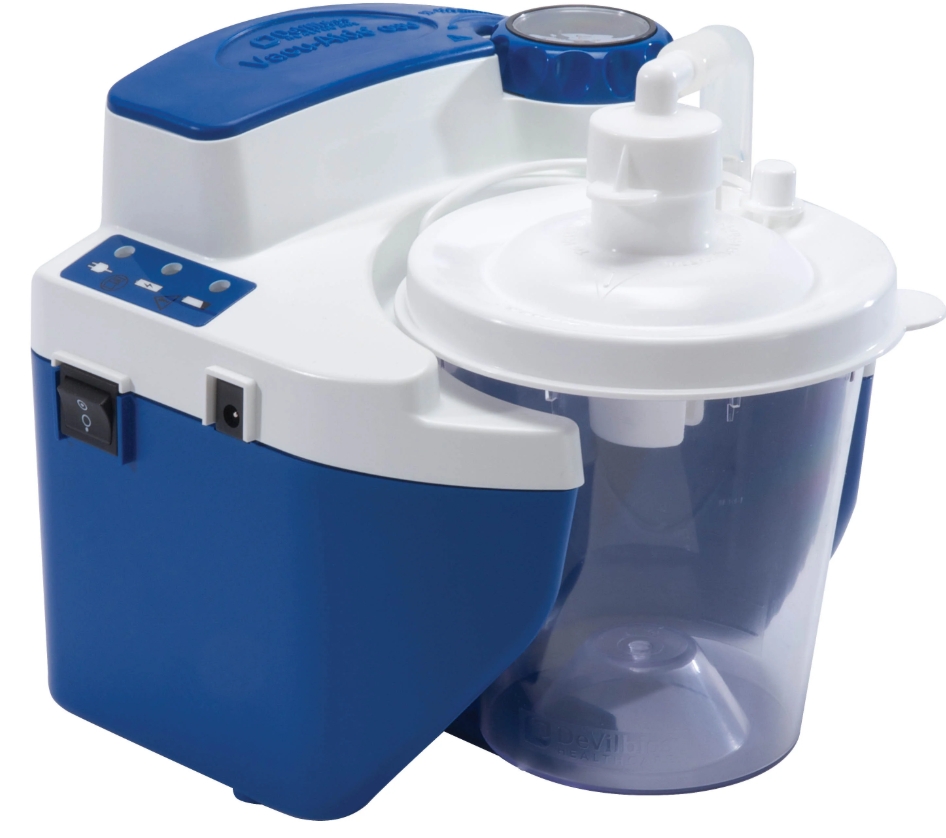
Portable Suction Unit
DeVilbiss VacuAide® 7325
A compact, portable suction unit for prescribed secretion-management needs in suitable home, clinical or transport settings. MedPro’s listed configuration includes a rechargeable battery for planned portable use.
- Compact 3.8 lb design
- AC, DC and rechargeable battery power options
- Up to 27 L/min typical free-flow performance
Prescribed Interfaces
Suction Catheters & Oral Interfaces
Rigid Yankauer tools and flexible suction catheters serve different routes and are not interchangeable.
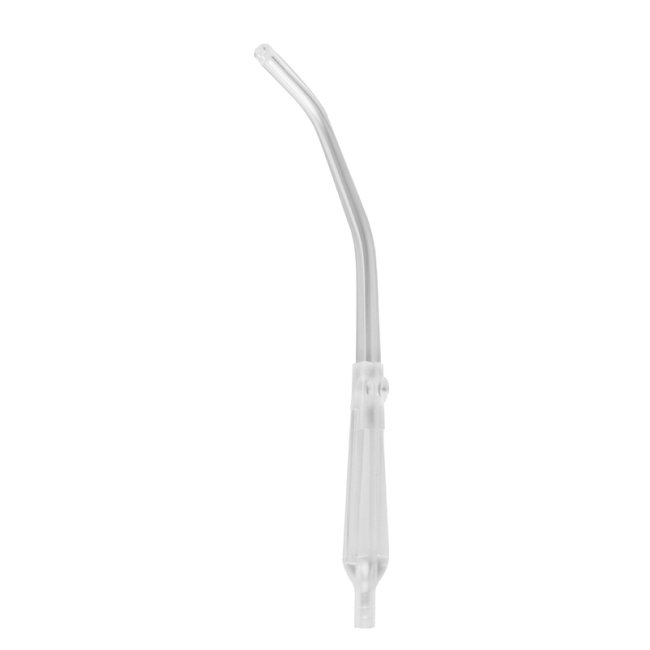
Oral Suction
Yankauer Suction Catheters
Rigid oral-suction interfaces available through MedPro in vented and unvented configurations. The appropriate configuration must match the route and technique taught by the clinical team.
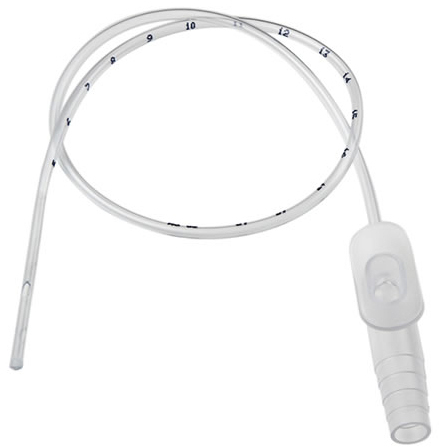
Artificial-Airway Suction
Flexible Suction Catheters
A flexible catheter that may be used in a clinician-directed artificial-airway suction pathway. Catheter size, route, depth, pressure and technique must come from the individualized clinical plan.
Clinical and compatibility check required. Products shown are not necessarily used together. Confirm the prescribed route, interface, catheter type and size, compatible canister and tubing, settings, technique and replacement requirements before ordering or connecting components.
MATCH THE CLINICAL PLAN
How a Suction System Is Planned
The equipment should match the prescribed route and technique, trained user, care environment, power and backup needs, maintenance requirements, and available support pathway.
Clinical Suction Plan
The clinical team determines the indication, route, interface, settings, technique, frequency, stop rules, monitoring, and emergency plan.
User and Caregiver Training
Age, dexterity, cognition, physical ability, caregiver availability, and the ability to recognize complications or equipment problems may affect planning.
Route and Compatible Interface
Oral suction, tracheostomy suction, and other artificial-airway pathways require different interfaces, consumables, aseptic expectations, and training.
Home, Mobility and Power Needs
Use location, access to AC power, battery runtime, charging, transport, storage, travel, and backup requirements help determine practical equipment needs.
Cleaning and Replacement Workload
Canister, liner, tubing, filter, interface, surface cleaning, drying, disposal, restocking, and replacement requirements should be realistic for the care plan.
Availability and Coverage
Inventory, service area, insurer rules, public funding, documentation, eligible suppliers, and consumable limits may affect access. A prescription does not guarantee coverage.
GENERAL EQUIPMENT PATH
A Typical Equipment and Support Process
The exact clinical procedure varies by route, patient, interface, equipment, and care setting. The individualized training and supplied instructions take priority.
1
Confirm the Plan and Training
Verify the route, interface, settings, technique, stop rules, monitoring, emergency instructions, trained user, and exact equipment requirements.
2
Prepare the Equipment and Supplies
Use hand hygiene and a clean work area, confirm compatible components, check the canister and filter, connect tubing correctly, and verify power or battery readiness.
3
Use the System Exactly as Taught
Follow the individualized route, interface, positioning, settings, technique, timing, stop rules, and monitoring instructions without improvising.
4
Care, Charge and Restock
Manage the canister and single-use supplies, clean or disinfect approved reusable parts, dry and store equipment, recharge batteries, and replace used stock.
Do not guess when instructions differ. Contact the clinical team for route, settings, technique, frequency, symptoms, or care-plan questions and MedPro for equipment assembly, controls, compatible supplies, maintenance, or device-support questions.
PROTECT PERFORMANCE AND HYGIENE
Infection Prevention and Equipment Care
Secretions can contaminate components and damage equipment. Hand hygiene, correct disposal, approved reprocessing, thorough drying, and timely replacement support safer use.
Use Hand Hygiene and a Clean Area
Clean and dry hands before handling equipment. Prepare supplies on a clean, dry surface and keep clean stock separate from used or contaminated items.
Separate Single-Use and Reusable Items
Discard single-use items as directed. Reprocess only components identified as reusable, and never reuse an item merely because it appears undamaged.
Clean and Disinfect Approved Components
Follow the exact instructions for canisters, lids, tubing, reusable interfaces, exterior surfaces, and approved disinfectants. Keep the pump, filter, and electrical parts dry unless directed otherwise.
Dry, Store, Inspect and Replace
Air-dry reusable parts as directed, protect clean supplies from dust and moisture, and replace wet filters, damaged tubing, cracked canisters, worn interfaces, or expired stock.
There is no universal cleaning or replacement schedule. Follow the exact manufacturer instructions, clinical infection-prevention plan, and local disposal requirements for every component.
KNOW THE SAFETY BOUNDARIES
Suction Safety and Escalation Boundaries
Suctioning can cause complications when the route, catheter, settings, depth, duration, technique, or infection-prevention steps do not match the clinical plan.
Use Only the Taught Route and Interface
Do not substitute oral and artificial-airway interfaces, use an unapproved catheter, or perform suction through a route for which you have not been trained.
Do Not Improvise Settings or Technique
Do not guess pressure, depth, duration, frequency, or catheter size. Never change the plan to compensate for thick secretions, reduced flow, alarms, or weak suction.
Stop and Contact the Clinical Team
Follow the individualized stop rules. Seek clinical direction for bleeding, pain, repeated gagging, vomiting, new distress, colour change, reduced alertness, or uncertainty about the patient’s condition.
Equipment Failure and Emergency Planning
Know what to do if the unit loses power, the battery is depleted, the canister overfills, the filter becomes wet, tubing blocks, or the system cannot create suction. Equipment troubleshooting must not delay urgent care.
Emergency help: For severe breathing difficulty, chest pain, blue or grey lips or face, loss of consciousness, choking that is not relieved by the person’s emergency plan, or another medical emergency, call 911 or your local emergency service.
KNOW WHO TO CONTACT
MedPro Equipment Support and Clinical Direction
MedPro can support prescribed suction equipment and supplies. Clinical suction decisions, procedure training, symptoms, and changes to the care plan remain with the appropriate healthcare team.
Contact MedPro For
- Suction-unit options within the documented clinical and equipment requirements
- Compatible canisters, lids, tubing, filters, Yankauer tools, catheters, batteries, and supplies
- Equipment setup, controls, assembly, cleaning, maintenance, replacement, and warranty pathways
- Local availability, product documentation, general funding questions, and equipment troubleshooting
Contact Your Healthcare Team For
- Whether suction is appropriate and which oral or artificial-airway route should be used
- Pressure, catheter size, depth, duration, frequency, technique, monitoring, and stop rules
- Training, infection-prevention requirements, symptoms, secretion changes, and emergency planning
- Bleeding, pain, distress, reduced alertness, treatment effectiveness, or changes to the care plan
Before visiting a clinic: Contact the location to confirm suction-equipment availability and ask what prescription, referral, clinical specifications, existing equipment details, coverage information, or other documentation to bring.
CONTINUE PLANNING
Related Respiratory Care Guidance
Use these focused pages for respiratory-service navigation, tracheostomy supplies, pulse-oximetry education, and insurance or funding information.
Respiratory Care Services
Return to the central hub for aerosol therapy, suction therapy, tracheostomy supplies, and pulse oximetry pathways.
Tracheostomy Supplies & Support
Review tracheostomy equipment and supply categories, ordering support, and the boundaries between product support and clinical care.
Pulse Oximetry
Learn how pulse oximeters estimate oxygen saturation, how to obtain a reading, and why readings have important limitations.
Insurance and Funding
Review prescriptions, quotes, authorization, eligible suppliers, claims, and payer-specific documentation requirements.
FREQUENTLY ASKED QUESTIONS
Suction Therapy FAQs
General answers about suction equipment, interfaces, consumables, cleaning, safety boundaries, funding, and support.
What is suction therapy?
Suction therapy uses a medical suction unit and compatible interface to remove oral or airway secretions when a person cannot clear them effectively. The clinical team determines the route, settings, technique, frequency, monitoring, and emergency plan.
What type of suction machine do I need?
The equipment should match the prescribed route and performance requirements, trained user, care environment, compatible canister and supplies, portability, battery or backup plan, cleaning workload, and available service pathway. Contact MedPro with the documented requirements.
What is the difference between a Yankauer and a suction catheter?
A Yankauer is a rigid oral suction tool generally used in the mouth. A flexible suction catheter may be prescribed for a tracheostomy or another artificial airway. They are not interchangeable, and either should be used only for the route and technique taught by the clinical team.
Do I need a prescription or clinical instructions for suction equipment?
A clinician determines whether suction is appropriate and provides the route, settings, interface, technique, frequency, and safety plan. Equipment, insurer, funding, and supplier requirements may also involve a prescription or supporting documentation.
How often should suction supplies be replaced?
Replacement varies by canister, liner, tubing, filter, Yankauer tool, catheter, use frequency, contamination, damage, and product instructions. Discard single-use items after the directed use and replace wet, blocked, damaged, contaminated, or expired components promptly.
How should suction equipment be cleaned?
Follow the exact instructions for the unit exterior, canister, lid, tubing, filters, interfaces, and accessories. Clean or disinfect only reusable components by an approved method, keep the pump and electrical parts dry, air-dry as directed, and protect clean supplies from contamination.
What should I do if the suction unit is weak or does not work?
Follow the approved troubleshooting steps for power, battery charge, connections, canister lid, tubing, filter, overflow protection, blockages, and damaged parts. Contact MedPro if the problem continues. Do not change pressure or technique to compensate, and follow the emergency plan if suction is clinically urgent.
EVIDENCE & SAFETY
Clinical Sources and Important Limits
This page provides general education about prescribed suction equipment and MedPro support. It does not teach a suction procedure or determine clinical suitability.
Medical disclaimer: This information is not a diagnosis, prescription, procedure guide, device recommendation, or substitute for advice and hands-on training from your healthcare team. Follow the individualized route, interface, catheter, settings, depth, duration, frequency, technique, infection-prevention plan, stop rules, and emergency guidance. Do not change the plan without authorized direction.
Clinical and Patient-Education Sources
- American Association for Respiratory Care: Artificial Airway Suctioning Guideline
- Health Canada: Reprocessing Instructions for Reusable Medical Devices
- Public Health Agency of Canada: Routine Practices and Additional Precautions
- Drive Medical Canada: Vacu-Aide Suction Machine Resources
- Cambridge University Hospitals: Oral Suction at Home
SUCTION EQUIPMENT & SUPPORT
Need Help With Prescribed Suction Equipment?
Connect with a MedPro clinic for suction equipment, compatible canisters, tubing, filters, interfaces, setup education, maintenance guidance, and local support options.