
Home Sleep Apnea Treatment Options
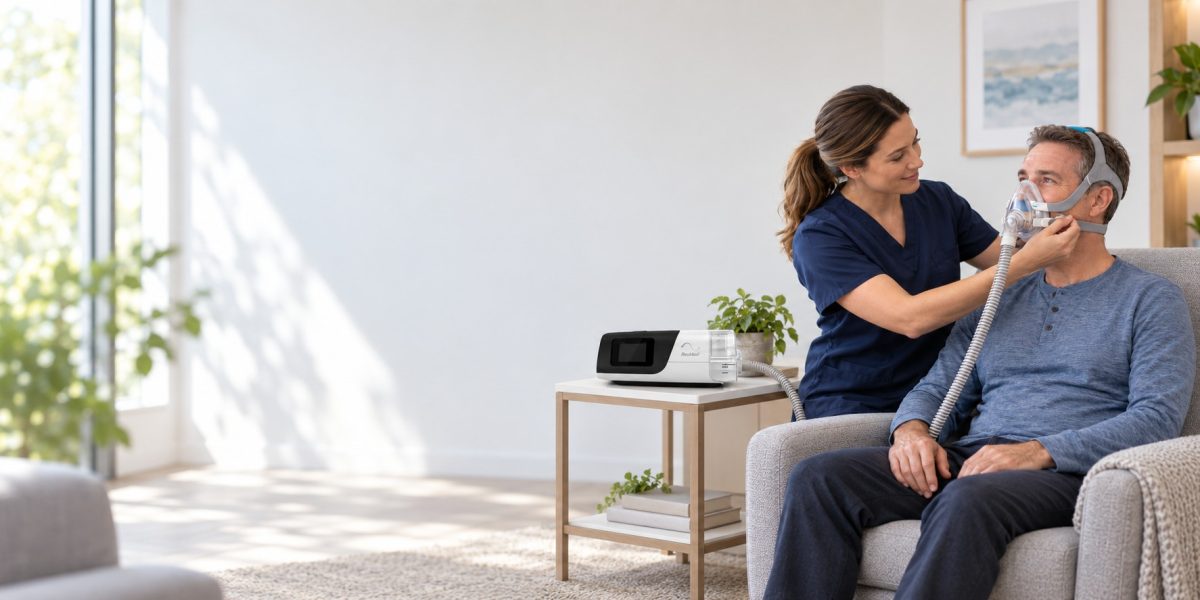
MedPro Sleep Apnea Care
Sleep Apnea Treatment Options
Explore CPAP, auto-adjusting CPAP, bilevel devices, advanced PAP therapy, and eXciteOSA available through MedPro—along with equipment education, fitting, and ongoing support.
Quick Answer
How Is Sleep Apnea Treated?
MedPro offers prescribed PAP equipment and selected non-PAP therapy products for different sleep apnea treatment pathways. Treatment should follow an appropriate diagnosis and be selected by the healthcare professional managing care.
Treatment is not one-size-fits-all. The type of sleep apnea, test findings, symptoms, health history, airway anatomy, treatment response, and individual circumstances can all affect the recommendation.
MedPro Treatment Options
Sleep Apnea Treatments Available Through MedPro
MedPro provides prescribed PAP equipment and selected non-PAP therapy products. The appropriate pathway depends on a confirmed diagnosis, clinical assessment, and any required prescription.
CPAP & APAP Therapy
CPAP and auto-adjusting CPAP machines deliver prescribed airflow through a mask to help keep the upper airway open during sleep.
Bilevel & Advanced PAP
Bilevel devices provide different inhalation and exhalation pressures. Advanced modes are reserved for specific prescribed breathing needs.
eXciteOSA Daytime Therapy
eXciteOSA uses daytime intraoral neuromuscular stimulation for eligible adults with primary snoring or mild obstructive sleep apnea.
These options are not interchangeable. Treatment type, device mode, pressure settings, and eligibility must match the clinical assessment and authorized prescription where required.
CPAP & APAP Machines
Featured Auto-Adjusting CPAP Machines
These MedPro configurations combine auto-adjusting positive airway pressure with integrated humidification and practical comfort features. Product details and availability remain on each product page.
Auto-Adjusting CPAP
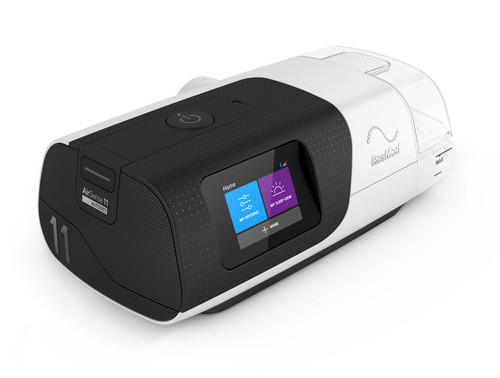
ResMed AirSense 11 AutoSet
A connected auto-adjusting CPAP device that changes pressure within the prescribed range. MedPro’s Tri-Pack includes integrated HumidAir humidification and ClimateLineAir heated tubing.
- AutoSet pressure adjustment
- Integrated heated humidification
- myAir support and therapy tracking
Auto-Adjusting CPAP
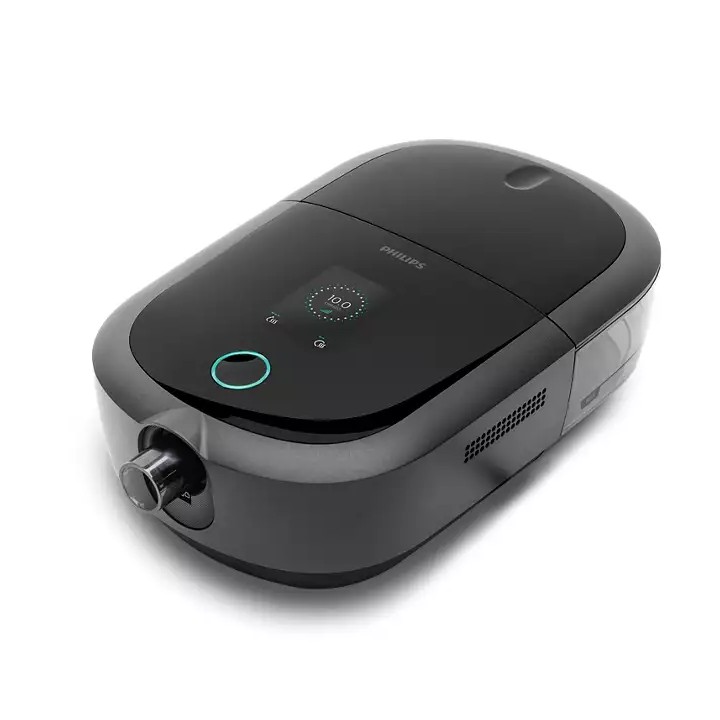
Philips DreamStation 2 Auto CPAP
An auto-adjusting CPAP system for prescribed obstructive sleep apnea therapy. MedPro’s configuration includes integrated humidification and heated tubing.
- CPAP and Auto CPAP modes
- Integrated humidifier and heated tube
- Touchscreen and Ramp Plus comfort feature
A valid prescription is required to purchase these machines. The prescribed pressure range and settings must be established by the appropriate healthcare professional.
Bilevel & Advanced PAP
Featured ResMed AirCurve 11 Devices
AirCurve 11 VAuto and AirCurve 11 ASV use different therapy modes for different prescribed needs. Their similar appearance does not mean they can be substituted for one another.
Auto-Adjusting Bilevel
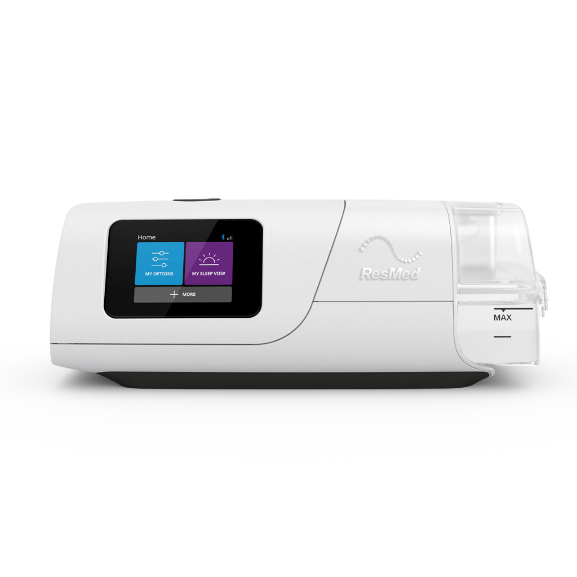
ResMed AirCurve 11 VAuto
An auto-adjusting bilevel device for prescribed treatment of obstructive sleep apnea. It provides separate inhalation and exhalation pressure levels while adjusting within prescribed limits.
- Separate inhalation and exhalation pressures
- Automatic adjustment within prescribed limits
- Integrated HumidAir and ClimateLineAir 11
Adaptive Servo-Ventilation
ResMed AirCurve 11 ASV
A specialized adaptive servo-ventilation device for prescribed treatment of central sleep apnea, mixed apneas, or periodic breathing patterns.
- Adaptive pressure support
- Responds to changing breathing patterns
- Integrated HumidAir and ClimateLineAir 11
Important ASV safety information: ASV is contraindicated for people with chronic symptomatic heart failure (NYHA class II–IV), reduced left ventricular ejection fraction of 45% or less, and moderate-to-severe predominant central sleep apnea. Device selection and settings require clinical assessment and a prescription.
Daytime Intraoral Therapy
eXciteOSA Daytime Intraoral Therapy
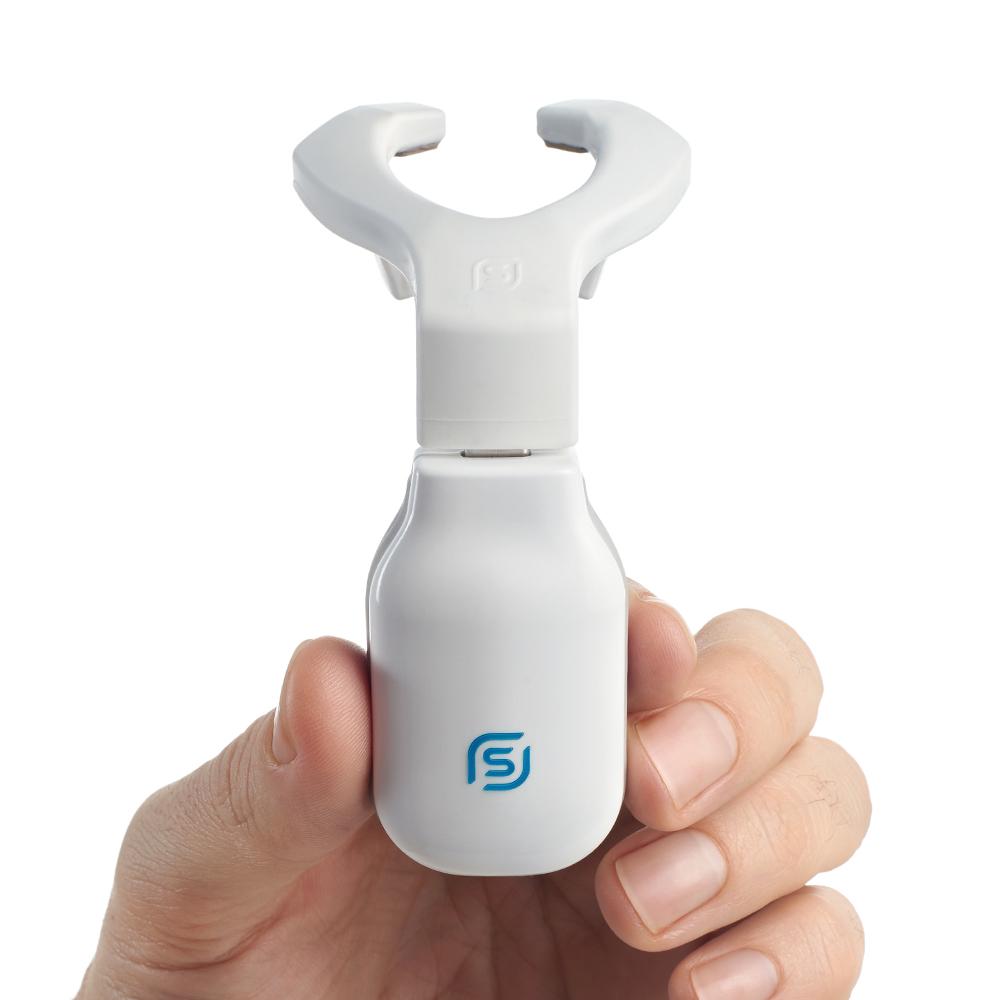
eXciteOSA is a non-PAP therapy used while awake. Its mouthpiece delivers neuromuscular electrical stimulation to the tongue through app-guided sessions for eligible adults with primary snoring or mild obstructive sleep apnea.
- 20 minutes per day for six weeks
- Twice-weekly maintenance after the initial course
- App-guided sessions with progress tracking
Important: eXciteOSA is not a conventional mandibular advancement oral appliance. Eligibility and contraindications must be reviewed before treatment.
Individual Treatment Planning
How Is the Appropriate Treatment Selected?
The equipment shown on this page represents MedPro’s available pathways—not a self-selection guide. The appropriate option is based on the complete clinical picture.
Diagnosis & Test Results
The type and pattern of sleep apnea, event severity, oxygen changes, symptoms, and test interpretation help guide treatment.
Prescription & Health Factors
Health history, breathing pattern, contraindications, and the authorized prescription determine which therapy and settings are appropriate.
Comfort & Follow-Up
Mask fit, comfort, treatment response, equipment data, and consistent use are reviewed after therapy begins.
MedPro can explain equipment features and provide setup support. Diagnosis, treatment selection, prescribed therapy modes, and clinical-setting changes remain the responsibility of the appropriate healthcare professional.
Treatment and Follow-Up
What Happens After a Treatment Is Selected?
Starting treatment is followed by education, problem-solving, and reassessment. Concerns are easier to address when they are raised early.
1
Review the Recommendation
Understand the diagnosis, treatment goal, prescribed plan, and who is responsible for follow-up.
2
Begin as Directed
Obtain the prescribed device or service and follow the instructions supplied by the appropriate care team.
3
Address Problems Early
Report discomfort, equipment concerns, side effects, or difficulty using treatment instead of stopping without guidance.
4
Reassess Effectiveness
Follow-up may review symptoms, usage information, equipment comfort, response to therapy, or the need for additional testing.
Do not change prescribed pressures, stop prescribed treatment, alter medication, or replace a treatment plan using website information. Contact the appropriate healthcare professional for clinical decisions.
Know Who to Contact
Equipment Support and Clinical Decisions Are Different
Getting the right type of help can resolve concerns more safely and efficiently.
Contact MedPro For
- Prescribed PAP equipment setup and operation
- Mask style, sizing, fit, leaks, and comfort
- Tubing, humidification, filters, and supplies
- Cleaning, maintenance, and equipment troubleshooting
- Locally available PAP and eXciteOSA product support
Contact Your Healthcare Team For
- Diagnosis and interpretation of sleep-test results
- Treatment selection or changes
- Prescribed pressures and clinical settings
- Oral appliances, procedures, surgery, or medications
- Persistent or worsening symptoms
- Whether treatment can be reduced or stopped
For severe breathing difficulty while awake, chest pain, loss of consciousness, or another medical emergency, call 911 or your local emergency service.
Continue Learning
Related Sleep Apnea Guidance
Use these pages to understand the steps before treatment and the PAP support available after a prescription.
Sleep Apnea Testing
Compare home and in-lab testing pathways and learn why professional interpretation is required.
CPAP Therapy
Understand how prescribed CPAP therapy works, what the system includes, and where MedPro can support equipment use.
BiPAP / Bilevel Therapy
Review the general differences between bilevel and continuous positive airway pressure therapy.
Frequently Asked Questions
Sleep Apnea Treatment FAQs
Answers about MedPro treatment pathways, PAP device differences, eXciteOSA, prescriptions, and equipment support.
Which sleep apnea treatments are available through MedPro?
MedPro provides CPAP and auto-adjusting CPAP machines, bilevel and advanced PAP devices, eXciteOSA daytime intraoral therapy, masks, supplies, equipment education, fitting, and ongoing equipment support. Availability and eligibility vary by product and location.
What is the difference between CPAP, APAP, and bilevel therapy?
CPAP provides one prescribed pressure, APAP adjusts pressure within a prescribed range, and bilevel therapy provides different prescribed pressures for inhalation and exhalation. The appropriate device, mode, and settings must be selected clinically.
Can I choose between AirCurve 11 VAuto and AirCurve 11 ASV?
No. VAuto and ASV use different therapy modes and are not interchangeable. VAuto is an auto-adjusting bilevel device used for prescribed obstructive sleep apnea therapy, while ASV is a specialized therapy for particular central, mixed, or periodic breathing patterns.
Is eXciteOSA the same as a custom oral appliance?
No. eXciteOSA uses an intraoral mouthpiece to deliver daytime neuromuscular electrical stimulation to the tongue. A conventional mandibular advancement appliance repositions the jaw during sleep and follows a different clinical and dental pathway.
Who may be eligible for eXciteOSA?
eXciteOSA is intended for selected adults with primary snoring or mild obstructive sleep apnea. A sleep-health professional should review the diagnosis, eligibility, oral health, implanted devices, and other contraindications before treatment.
Do I need a prescription for a PAP machine?
Yes. A valid prescription is required to purchase the PAP machines featured on this page. The device type, prescribed pressure range, therapy mode, and clinical settings must match the authorized treatment plan.
What if prescribed PAP therapy is uncomfortable?
Contact MedPro for help with mask fit, leaks, humidification, tubing, device operation, cleaning, or supplies. Contact the healthcare professional managing treatment for persistent symptoms, side effects, prescribed-pressure questions, or treatment changes.
Evidence & Safety
Clinical Sources and Important Limits
This page describes MedPro-offered treatment products while maintaining the distinction between equipment support and clinical treatment decisions.
Medical disclaimer: This information is general education, not a diagnosis or treatment recommendation. Do not start, stop, substitute, or change prescribed therapy, pressure settings, eXciteOSA use, medication, or another treatment plan without direction from the appropriate healthcare professional.
MedPro Sleep Apnea Care
Find the Right MedPro Treatment Pathway
Explore MedPro’s sleep apnea treatment equipment and product information, or connect with a clinic for fitting, setup, and ongoing support.