
Home CPAP Therapy CPAP Replacement Schedule
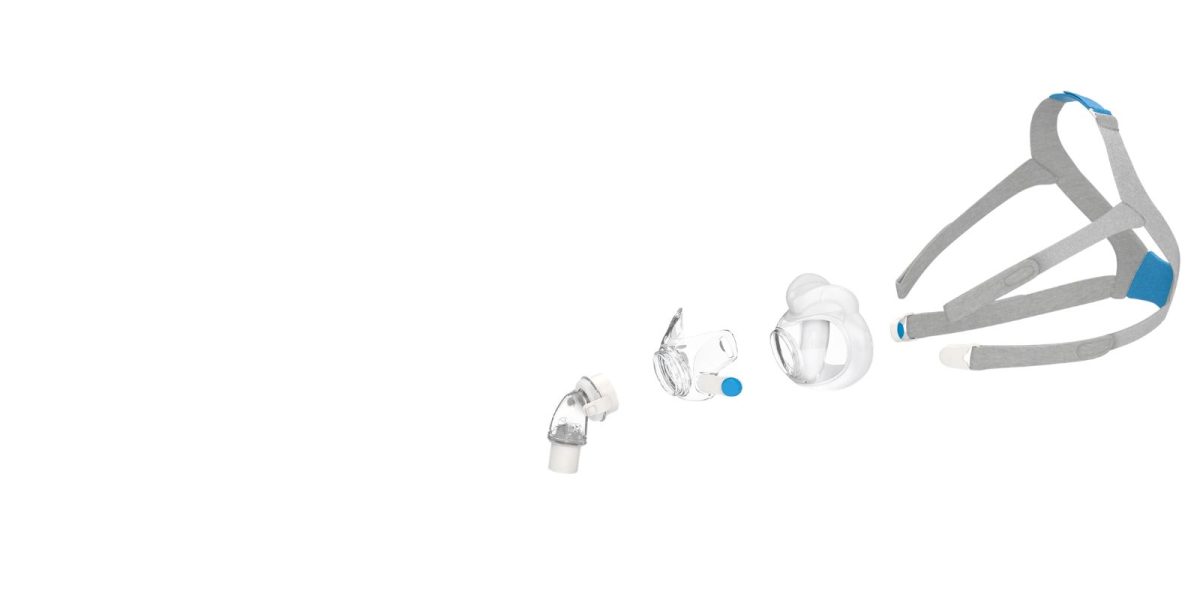
CPAP Equipment Care
CPAP Replacement Schedule
Use this general planning guide to review CPAP masks, cushions, headgear, tubing, filters, humidifier chambers, and other parts—then confirm the timing and compatibility for your exact equipment.
Quick Answer
Replacement Is Based on More Than Time
Use the schedule as a planning aid—not an automatic replacement rule. Product instructions, equipment condition, compatibility, and coverage all affect when a part should actually be replaced.
Follow Manufacturer Guidance
Use the replacement and inspection guidance supplied for the exact mask, machine, tubing, chamber, filter, and accessory.
Inspect Equipment Condition
Replace a component sooner when it no longer seals, fits, connects, adjusts, cleans, or functions as intended.
Confirm Compatibility
Match the manufacturer, model, component, part number, and size before ordering. Similar-looking parts may not be interchangeable.
Check Coverage Eligibility
Insurance and funding schedules can differ from manufacturer guidance and do not guarantee that every purchase will be reimbursed.
Important: Replace damaged or unreliable equipment immediately even when a calendar interval has not passed. Coverage frequency determines reimbursement eligibility—not whether a worn part is safe or effective to keep using.
Planning Timeline
General CPAP Replacement Planning Timeline
These are general review points—not universal replacement entitlements. Follow the exact product guidance and replace any component sooner when condition, fit, seal, or performance changes.
Mask Cushions or Nasal Pillows
General planning range: 1–3 months. Inspect the sealing surface during every cleaning.
Replace sooner for persistent leaks, stiffness, cracks, tears, discolouration, discomfort, or residue that approved cleaning does not resolve.
Disposable Filters
General planning point: about 1 month, subject to the exact device instructions and filter condition.
Replace sooner if visibly soiled, damaged, damp, discoloured, torn, or used in a dusty environment. Do not wash a disposable filter.
Headgear and Chin Straps
General planning range: 3–6 months. Check adjustment, elasticity, fasteners, clips, and comfort.
Replace sooner when straps stay stretched, slip out of adjustment, require overtightening, or have damaged fasteners.
Heated and Standard Tubing
General planning points: heated tubing near 6 months and standard tubing near 12 months.
Replace sooner for cracks, holes, flattened areas, loose cuffs, persistent odour or moisture, discolouration, or unreliable connections.
Complete Mask System or Frame
General planning range: 6–12 months. Inspect the frame, elbow, swivel, vent, clips, magnets when applicable, and other connectors.
Replace sooner when the frame is distorted or cracked, clips fail, vents are damaged, or components no longer assemble securely.
Humidifier Water Chamber
General planning range: 6–12 months. Inspect the chamber, seal, lid, latch, and connection points.
Replace sooner for cracks, leaks, warping, pitting, cloudiness, damaged seals, or buildup that approved cleaning cannot remove.
Before You Order
A Six-Step Replacement Check
Use this check to separate routine cleaning from actual wear, identify the correct component, and avoid ordering an incompatible part.
1
Inspect During Cleaning
Look for changes in seal, fit, flexibility, colour, surface condition, connectors, filters, tubing, and the humidifier chamber.
2
Identify the Exact Part
Record the manufacturer, machine or mask model, component name, part number, and size before searching or ordering.
3
Check Fit and Performance
Note continuing leaks, overtightening, discomfort, unusual noise, loose connections, or other changes that remain after correct cleaning and fitting.
4
Review Product Guidance
Compare the part condition and age with the inspection and replacement guidance for the exact product.
5
Confirm Coverage
Ask the applicable insurer or funding program about eligible components, frequency, documentation, preapproval, and approved suppliers.
6
Order a Compatible Part
Use the exact product information and confirm compatibility before purchase. Contact MedPro when the correct replacement is unclear.
Replace a Part Sooner When
- Cracks, tears, holes, broken clips, damaged seals, or loose connections appear
- A mask, cushion, or tubing connection continues to leak after correct cleaning and fitting
- Headgear remains stretched or requires excessive tightening
- A cushion, tube, chamber, or filter remains discoloured, stiff, cloudy, pitted, or soiled
Condition and performance matter more than waiting for the end of a calendar range.
CPAP Machine Replacement Is Different
- There is no single accessory-style replacement interval for every CPAP machine
- Service or replacement may involve condition, warranty, prescription, manufacturer, and coverage requirements
- Contact MedPro about repeated faults, unusual noise, startup problems, water intrusion, physical damage, or power concerns
- Do not open the housing, attempt electrical repairs, or continue using equipment with a damaged cord or burning smell
- Confirm any therapy-device change with the appropriate authorized provider
Stop using electrically unsafe or water-damaged equipment and contact MedPro for next steps.
Cleaning or Replacing?
Cleaning Maintains Equipment—It Does Not Restore Wear
Routine cleaning can remove ordinary residue and help preserve equipment, but it cannot repair stretched, cracked, torn, distorted, or electrically damaged components.
Cleaning May Help With
- Facial oils, dust, and ordinary surface residue
- Routine moisture and approved mineral-buildup removal
- A cushion or connection affected by removable residue
- A filter specifically identified as washable and reusable
- Regular inspection that helps identify wear earlier
- Maintaining equipment between replacement reviews
Replacement or Service May Be Needed For
- Cracks, tears, holes, pitting, warping, or broken connectors
- Headgear, straps, or seals that remain stretched or unreliable
- Persistent mask or tubing leaks after correct cleaning and fitting
- Disposable filters that are due, damaged, visibly soiled, or wet
- Residue, odour, cloudiness, or discolouration that approved cleaning does not resolve
- A machine with repeated faults, water intrusion, electrical damage, or a burning smell
Compatibility matters: Do not patch damaged tubing, glue broken mask parts, substitute a similar-looking filter, or combine incompatible components. Confirm the manufacturer, model, part number, and size before ordering.
Coverage and Disposal
Check Eligibility and Retire Old Equipment Safely
Replacement eligibility, safe disposal, and ordering are separate steps. Confirm coverage before purchase and follow local rules when retiring accessories, electronics, or batteries.
Check Coverage Before Ordering
- Ask which CPAP components are covered and how often each is eligible
- Confirm whether preapproval, a prescription, quote, invoice, or proof of payment is required
- Ask whether the plan requires specific brands, models, suppliers, or direct billing
- Keep written authorization and claim documentation when applicable
Dispose of Used Accessories Locally
- Follow municipal or regional rules for used masks, cushions, tubing, filters, chambers, and packaging
- Do not place an item in curbside recycling unless the local program accepts that material and product type
- Bag or contain used parts when local instructions or contamination concerns require it
- Follow clinician, public-health, or waste-provider instructions when a component has special contamination concerns
Recycle Machines and Batteries Safely
- Ask MedPro or the manufacturer about return, service, trade-in, or take-back options before disposal
- Use an authorized electronics-recycling program for an end-of-life CPAP device when locally accepted
- Take batteries to an approved battery drop-off—never place them in household garbage or regular recycling
- Ask how to handle stored therapy data or removable memory before transferring or recycling a device
Frequently Asked Questions
CPAP Replacement Schedule FAQs
General answers about replacement timing, wear signs, compatibility, coverage, cleaning, and machine replacement.
How often should CPAP supplies be replaced?
There is no single interval for every product. Use the general planning ranges on this page alongside the exact manufacturer guidance, regular condition checks, and coverage requirements. Replace damaged or unreliable parts sooner.
How often should I replace a CPAP mask cushion or nasal pillows?
A common planning range is 1–3 months, but the exact timing varies by mask and material. Replace sooner when the sealing surface becomes stiff, cracked, torn, discoloured, uncomfortable, or unable to maintain a reliable seal.
How often should CPAP tubing and filters be replaced?
MedPro’s general planning points are about one month for disposable filters, about six months for heated tubing, and about 12 months for standard tubing. The exact schedule varies by device and product, and visible damage or soiling can require earlier replacement.
Can regular cleaning make CPAP parts last longer?
Correct cleaning and handling can help maintain equipment, but cleaning cannot restore cracked cushions, stretched headgear, torn tubing, damaged seals, broken connectors, or disposable filters. Replace parts when wear affects fit, seal, safety, or performance.
Does insurance cover CPAP replacement supplies?
Coverage varies by insurer, benefit plan, funding program, component, and documentation. Manufacturer replacement guidance does not guarantee reimbursement. Confirm eligibility, frequency, supplier rules, and preapproval before purchase.
How do I make sure a replacement part is compatible?
Match the manufacturer, machine or mask model, component name, part number, and size. Confirm whether the tubing is standard or heated and whether filters, chambers, clips, magnets, and connectors are designed for the exact equipment.
When should a CPAP machine itself be replaced?
There is no universal date for every machine. Condition, repeated faults, warranty, manufacturer service guidance, prescription requirements, and coverage may all apply. Contact MedPro before replacing or changing prescribed therapy equipment.
Evidence and Safety
Manufacturer and Disposal Sources
This page uses manufacturer replacement guidance and Canadian disposal resources. The instructions supplied with the exact equipment remain the controlling source for inspection, compatibility, service, and replacement.
Medical disclaimer: This page provides general equipment and purchasing education. It is not medical advice, a coverage guarantee, or a substitute for product instructions, prescription requirements, or advice from an authorized provider.
CPAP Equipment Care
Ready to Replace Worn CPAP Supplies?
Shop CPAP masks and supplies online, or contact MedPro for help identifying compatible cushions, headgear, tubing, chambers, filters, and other replacement components.