
Home Home Oxygen Oxygen Therapy Equipment
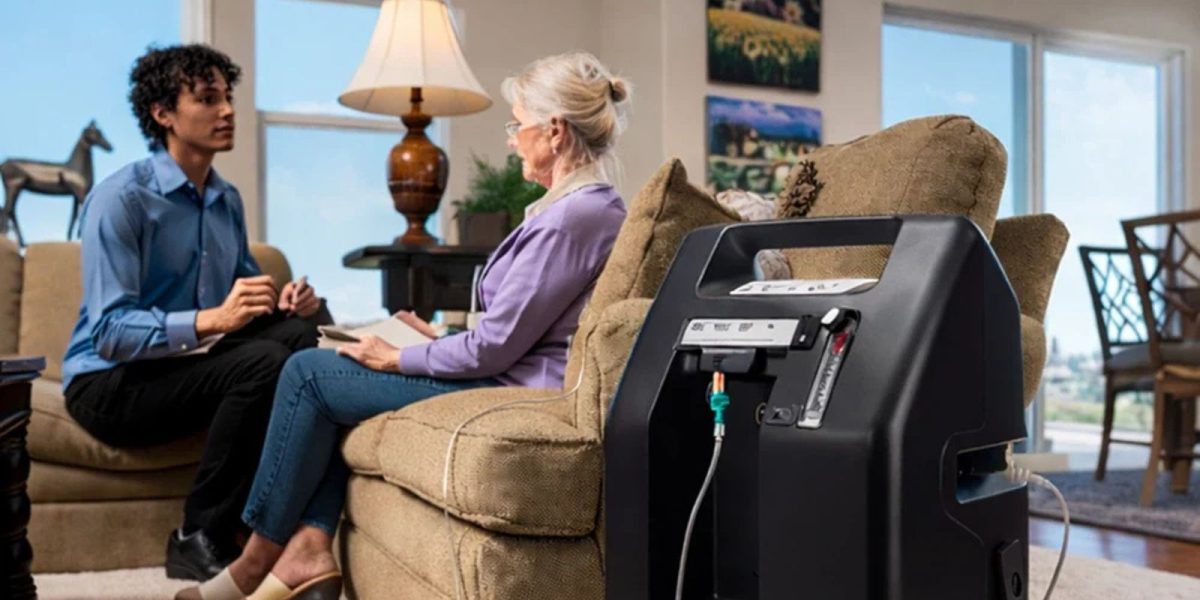
HOME OXYGEN EQUIPMENT
Oxygen Therapy Equipment
Understand stationary and portable oxygen systems, cylinders, delivery components, equipment care, and the support available after oxygen has been prescribed.
Compare Equipment Types
The Main Types of Home Oxygen Equipment
An oxygen setup combines an oxygen source, a delivery method, and compatible components. These elements work together, but they are not interchangeable.
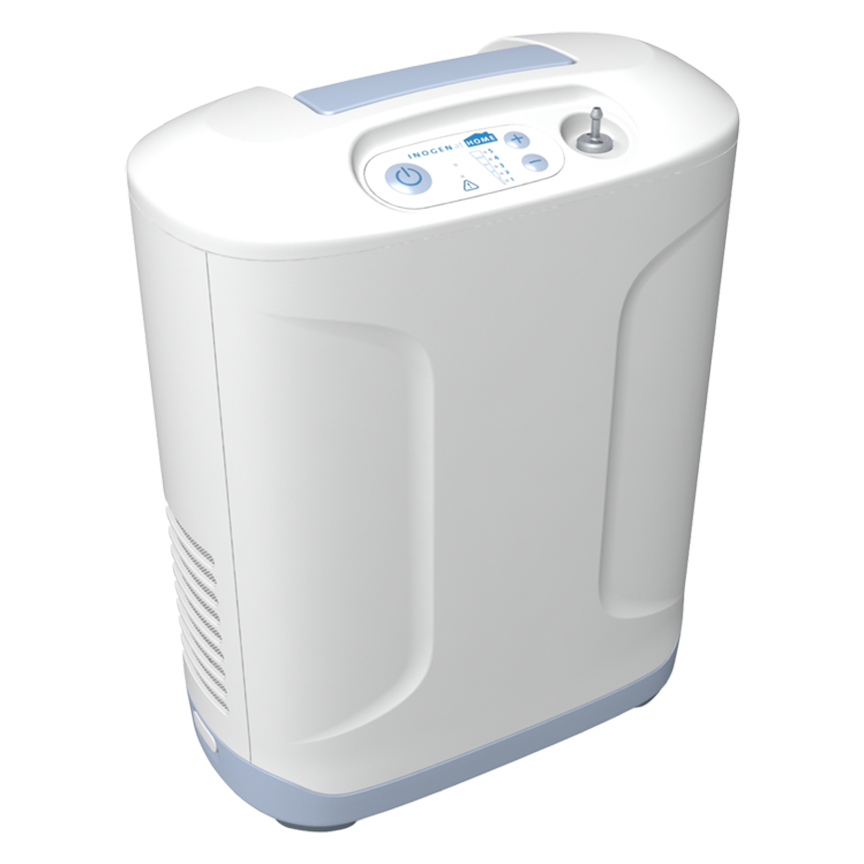
Stationary Oxygen Concentrators
A stationary concentrator draws in room air and concentrates oxygen for prescribed use in the home. It normally requires household electricity, and available flow capacity varies by model.
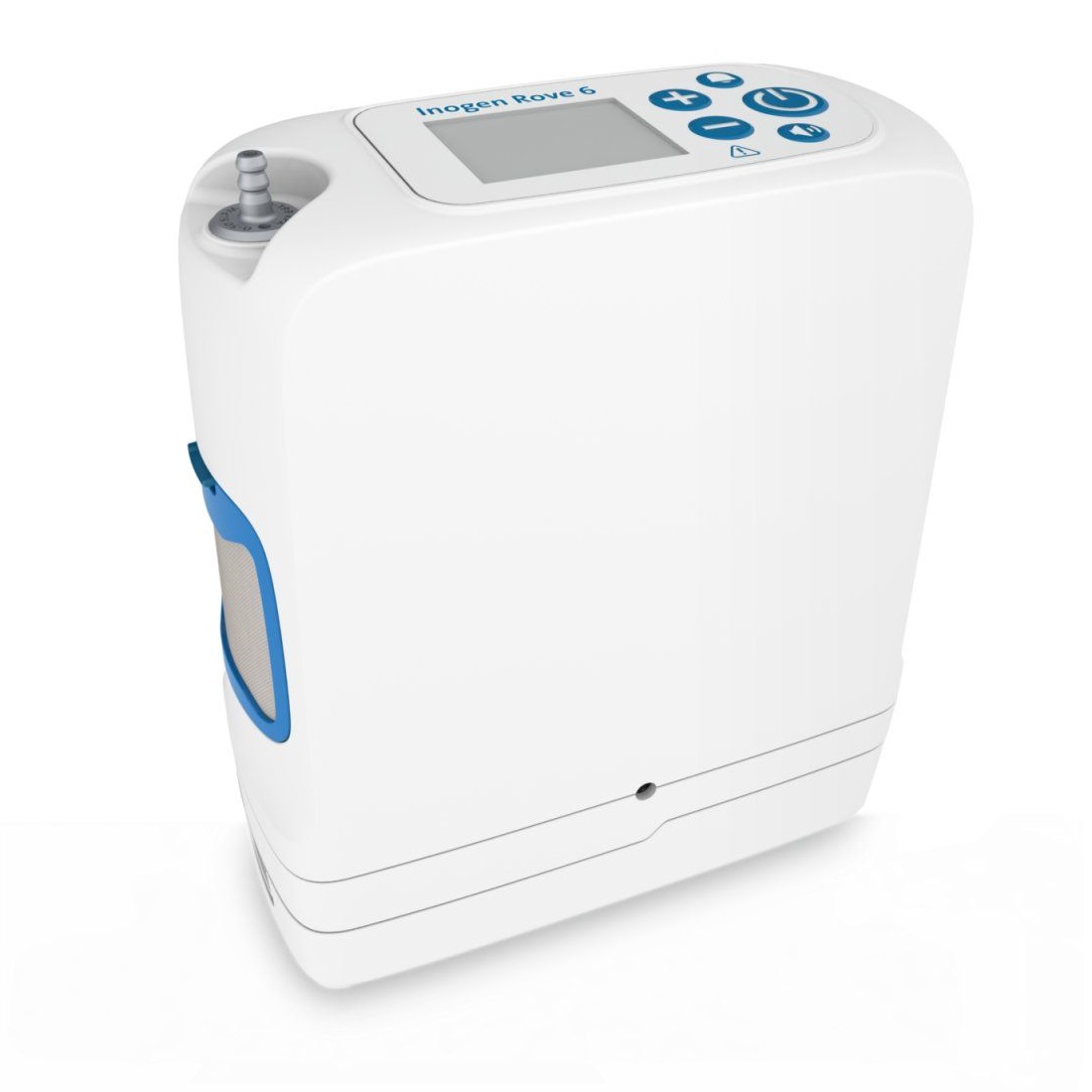
Portable Oxygen Concentrators
A portable concentrator is designed for mobility and commonly uses rechargeable batteries. Delivery mode, oxygen output, battery duration, weight, and approved uses differ by model.
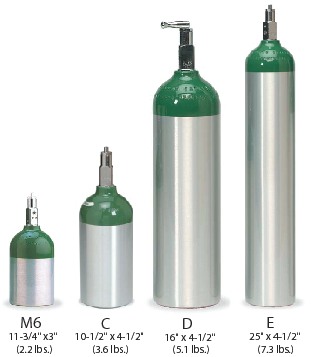
Compressed Oxygen Cylinders
A cylinder stores compressed medical oxygen and connects to a compatible regulator or conserving device. Portable sizes may support mobility or form part of a prescribed backup plan.
How Oxygen Is Delivered
Continuous flow and pulse-dose are delivery methods rather than separate equipment categories.
Continuous Flow
Continuous-flow equipment delivers oxygen steadily. The available flow range and whether it can be used during rest, activity, or sleep depend on the prescribed system.
Pulse-Dose Delivery
Pulse-dose equipment releases oxygen when inhalation is detected. A pulse setting is not equivalent to the same number in litres per minute and may not suit every person or situation.
Continuous-flow and pulse-dose settings are not equivalent. Equipment must provide the delivery method and oxygen output appropriate for the prescribed use.
Transfill and Home-Fill Systems
Some prescribed setups use a home-fill station to fill compatible portable cylinders. Availability, cylinder compatibility, servicing requirements, and suitability depend on the specific system, local program, and prescription.
Shop compatible oxygen accessories
Compatibility reminder: A portable concentrator, pulse-dose device, or cylinder is not automatically interchangeable with a prescribed home system. Confirm the delivery method, oxygen output, and intended use before changing equipment.
Match the Prescribed System
How Oxygen Equipment Is Selected
Equipment selection should connect clinical requirements with the environments and routines in which oxygen will actually be used.
Prescription Requirements
The prescribed flow, delivery method, schedule, and use at rest, during activity, or during sleep establish the essential equipment requirements.
Daily Routine and Mobility
Home layout, walking, work, appointments, outings, and other normal activities help define which stationary and portable components may be practical.
Power and Backup
Electrical access, battery duration, charging opportunities, alarms, and a realistic backup plan all matter when equipment depends on power.
System Compatibility
The oxygen source, delivery mode, cannula or mask, tubing, regulator, conserving device, batteries, and accessories must work together as an approved system.
Coverage and Availability
Program rules, insurer approval, documentation, inventory, and local service options may affect what is supplied. A prescription does not by itself guarantee coverage.
Education and Follow-Up
The selected setup should include practical instruction on operation, alarms, cleaning, supplies, safety, troubleshooting, and who to contact for help.
Know the Full Setup
Components of an Oxygen Equipment System
The oxygen source is only one part of the setup. Use only components approved for the specific equipment and prescription.
Oxygen Source
The stationary concentrator, portable concentrator, cylinder, or other supplied system provides the prescribed oxygen source.
Regulator or Conserving Device
Compatible cylinder equipment controls delivery. Conserving devices and continuous-flow regulators are not interchangeable.
Cannula or Delivery Interface
A nasal cannula is common, while a mask or another interface may be prescribed for selected needs.
Tubing and Connectors
Compatible tubing carries oxygen from the source to the interface. Routing should protect connections and reduce trip hazards.
Power and Batteries
Portable equipment may use rechargeable batteries and approved power supplies. Capacity and charging time vary by model and setting.
Filters, Humidification and Supplies
Some systems use user-serviceable filters, compatible humidification, or replacement supplies. Follow the exact model and provider instructions.
Compatibility rule: Do not add a humidifier, adapter, extension, battery, cannula, mask, regulator, or other accessory unless it is approved for the equipment and prescribed use.
General Equipment Path
A Typical Oxygen Equipment Setup Process
The exact process varies by prescription, location, payer, equipment availability, and the support program involved.
1
Confirm the Prescription
Review the prescribed oxygen delivery, timing, supporting assessment, referral information, and any program or insurer requirements.
2
Match the Equipment
Select a compatible home source, portable option when required, delivery interface, tubing, power supplies, and backup components.
3
Deliver, Set Up and Teach
Review controls, connections, alarms, charging, cleaning, supplies, safety, emergency contacts, and the planned locations for use.
4
Use and Follow Up
Use the equipment as directed, monitor supply and equipment condition, report concerns early, and maintain scheduled service or reassessment.
Do not change the prescribed oxygen flow or delivery mode yourself. Contact the appropriate clinician for treatment-setting decisions and MedPro for equipment operation or support.
Protect the Equipment
Care, Cleaning and Maintenance
Maintenance varies by model and component. The supplied instructions take priority over general online guidance.
Routine Cleaning
Keep external surfaces and approved user-cleanable parts clean according to the manufacturer and provider instructions. Do not allow liquid into electrical openings.
Inspect the Setup
Check tubing, cannulas, connectors, cords, batteries, cylinder hardware, and other supplies for damage, wear, contamination, or poor connections.
Filters and Airflow
Keep concentrator air inlets clear and maintain user-serviceable filters exactly as directed. Never block ventilation or cover an operating device.
Service and Replacement
Use the recommended service and replacement schedule. Do not open, modify, or attempt internal repairs on oxygen equipment.
If equipment alarms, stops working, is damaged, or does not appear to deliver oxygen: follow the supplied troubleshooting and backup instructions, then contact MedPro. Seek urgent medical help for severe breathing difficulty or another emergency.
Plan for Interruptions
Power, Battery and Backup Planning
A backup plan should reflect the prescribed oxygen schedule, the equipment in use, and the types of interruption that could occur.
Household Power
Know which equipment requires electricity, where it can be safely connected, what its alarms mean, and what to do during a power failure.
Portable Battery Planning
Understand estimated battery duration at the prescribed setting, charging time, approved chargers, battery condition, and how planned activity affects runtime.
Backup Oxygen Plan
Know which backup source has been supplied, how to use it, how long it is expected to last, and when to contact the provider or emergency services.
Before an outage or emergency: keep provider and utility contacts available, maintain the supplied backup, and review the plan with household members or caregivers who may need to assist.
Essential Safety Boundaries
Use and Store Oxygen Equipment Safely
Oxygen supports combustion, so ignition control, equipment placement, cylinder handling, and clear tubing routes are essential.
No Smoking or Vaping
Do not smoke or vape near oxygen equipment, tubing, or a person using oxygen. Keep the entire oxygen-use area smoke-free.
Avoid Flames, Sparks and Heat
Keep oxygen away from open flames, candles, fireplaces, gas appliances, sparking equipment, heat sources, and flammable products.
Secure Cylinders
Store and transport cylinders in the approved position and secure them against falling, rolling, impact, valve damage, or unauthorized handling.
Prevent Trips and Damage
Route tubing and electrical cords to reduce trip hazards, kinks, crushing, disconnection, and contact with doors, furniture, or wheels.
Know Who to Contact
Equipment Support and Clinical Decisions
MedPro can help with the supplied equipment and service pathway. Treatment decisions remain with the appropriate healthcare professional.
Contact MedPro For
- Equipment matching, delivery, setup, controls, alarms, and model instructions
- Compatible tubing, cannulas, regulators, batteries, filters, and other supplies
- Cleaning, maintenance, service, warranty, replacement, and troubleshooting pathways
- Portable-equipment, backup, availability, documentation, and general coverage questions
Contact Your Clinician For
- Whether oxygen therapy is appropriate and the clinical reason for treatment
- The prescribed flow, delivery mode, schedule, or use during rest, activity, and sleep
- Persistent or worsening symptoms, treatment effectiveness, or changes in health
- Questions about oxygen saturation targets, medications, testing, or reassessment
Emergency help: For severe breathing difficulty while awake, chest pain, loss of consciousness, or another medical emergency, call 911 or your local emergency service.
Continue Planning
Related Home Oxygen Guidance
Use the dedicated pages below for detailed safety, travel, coverage, and broad home-oxygen information.
Home Oxygen Safety
Review fire precautions, equipment placement, cylinder handling, storage, and everyday safety boundaries.
Travelling With Oxygen
Plan for airlines, transportation providers, documentation, charging, destination support, and equipment rules.
Insurance and Funding
Understand prescriptions, quotes, authorization, eligible suppliers, claim documents, and payer-specific requirements.
Home Oxygen Therapy
Return to the central home oxygen hub for assessment, getting started, daily living, safety, and support pathways.
Frequently Asked Questions
Oxygen Equipment FAQs
General answers about home and portable oxygen systems, components, care, power, and support.
What types of home oxygen equipment are available?
Common categories include stationary oxygen concentrators, portable oxygen concentrators, compressed oxygen cylinders, compatible regulators or conserving devices, cannulas, tubing, batteries, power supplies, and other prescribed components. The supplied combination depends on clinical requirements, local availability, and the service or funding pathway.
What is the difference between a stationary and portable oxygen concentrator?
A stationary concentrator is mainly designed for home use and normally operates from household electricity. A portable concentrator is designed for mobility and may use rechargeable batteries. Portable models vary in delivery method, output, battery duration, weight, and approved uses, so portability alone does not establish suitability.
What is the difference between continuous flow and pulse-dose oxygen?
Continuous-flow equipment delivers oxygen steadily. Pulse-dose equipment releases oxygen when it detects inhalation. The settings are not equivalent, and pulse-dose performance can vary by device, breathing pattern, activity, and sleep use. Use only the delivery mode confirmed for the prescription.
Do I need a prescription for home oxygen equipment?
Medical oxygen therapy is based on clinical assessment and a prescription. Funding programs, insurers, and suppliers may also require supporting documentation or authorization. A prescription and payer approval are separate requirements.
Can I change the oxygen flow setting or switch equipment myself?
Do not change the prescribed flow, delivery mode, schedule, or primary equipment without authorized clinical direction and confirmation that the alternate system meets the prescription. MedPro can explain equipment controls and help route clinical-setting questions.
What should I do during a power outage?
Follow the backup plan provided for the specific equipment and prescription. Use the supplied backup source as instructed, track remaining supply or battery capacity, and contact MedPro or the appropriate service if the interruption may outlast the available backup. Seek emergency help if severe symptoms develop.
How should oxygen equipment be cleaned and maintained?
Follow the manufacturer and provider instructions for the exact model, cannula, tubing, filters, humidification, batteries, and other components. Inspect the setup regularly, replace supplies on the recommended schedule, keep air inlets clear, and contact MedPro rather than attempting internal repairs.
Evidence & Safety
Clinical Sources and Important Limits
This page provides general education about prescribed oxygen equipment and MedPro equipment support. It does not select a system or determine clinical suitability for a particular person.
Medical disclaimer: This information is not a diagnosis, prescription, product recommendation, or substitute for advice from your healthcare professional. Follow the prescribed oxygen therapy, supplied equipment instructions, and emergency plan. Do not change oxygen flow, delivery mode, schedule, medication, or another clinical setting without authorized direction.
OXYGEN EQUIPMENT SUPPORT
Need Help With Prescribed Oxygen Equipment?
Connect with MedPro for equipment matching, setup education, compatible supplies, maintenance, backup planning, and ongoing oxygen-equipment support.