
Home CPAP Therapy Getting Started
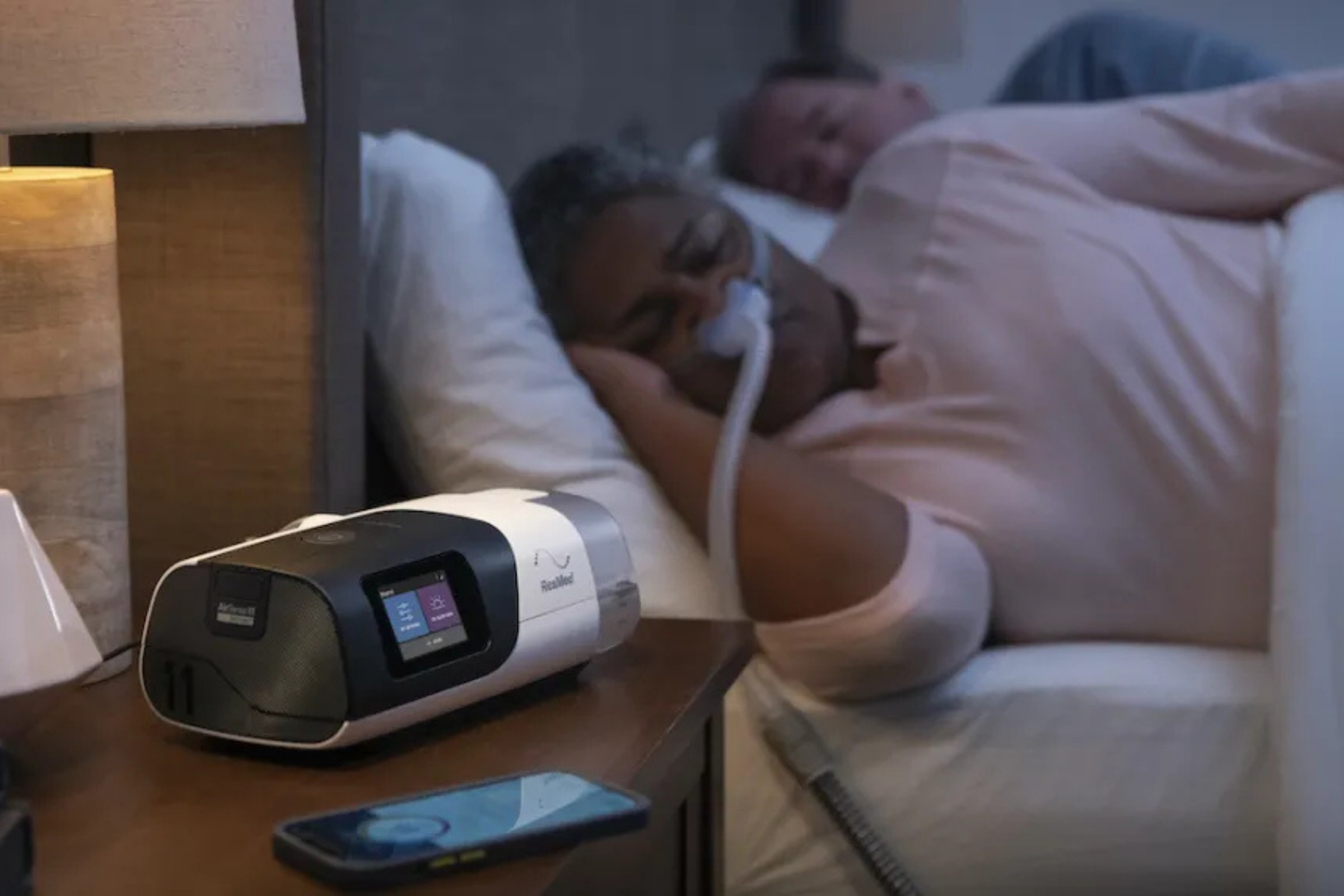
Starting CPAP Therapy
Getting Started with CPAP
Starting CPAP therapy involves more than choosing a machine. MedPro can help you understand what to expect during equipment setup and mask fitting, learn the basics of using and caring for your prescribed system, and know where to turn when questions arise.
Your CPAP Path
Getting Started at a Glance
The exact process can vary based on your prescription, location, and coverage. Most people move through these four stages as they begin therapy.
1
Confirm Your Therapy Plan
CPAP therapy should be based on a sleep apnea diagnosis and a treatment plan from your prescribing clinician.
2
Contact MedPro
A local MedPro team can explain the information they need and help you understand the next steps for your equipment.
3
Complete Setup and Fitting
Learn how your prescribed system works, review basic care, and work toward a secure and comfortable mask fit.
4
Begin Therapy and Follow Up
Use your equipment as directed, note concerns, and ask for support early when comfort or equipment issues arise.
Quick answer: Getting started with CPAP usually involves confirming your prescription, contacting a clinic, selecting and fitting prescribed equipment, learning how to use and care for it, and beginning therapy with access to follow-up support.
Prepare
What to Have Ready
Having the right information available can make your first conversation more efficient. Requirements may vary by province, payer, and type of service, so contact your local clinic if you are unsure.
Helpful Information to Gather
Your prescription or referral and the prescriber’s contact information
Your sleep study report or diagnostic details, if available
Identification and insurance, benefit, or funding information
Any current CPAP equipment if you are replacing or troubleshooting it
A list of questions, comfort concerns, or previous CPAP experience
Setup and Mask Fit
What Happens During CPAP Setup and Mask Fitting?
A CPAP setup appointment is an opportunity to become familiar with your prescribed system, compare appropriate mask options, check fit and seal, and ask practical questions before using it at home.
Your Setup May Include
Reviewing the equipment specified in your prescription
Comparing appropriate mask styles and sizes and checking fit and seal
Learning how to assemble, start, and stop your system
Reviewing humidification, cleaning, and basic maintenance
Discussing follow-up, supplies, and where to get support
Aim to Leave Knowing
How to put on, remove, and check the seal of your mask
How to operate the device using the instructions provided
Which parts need regular cleaning or replacement
Which concerns MedPro can help with and when to contact your clinician
Fit reminder: Raise any leak, pressure-point, or comfort concern during fitting so it can be addressed before you begin using the system at home.
Know Your Equipment
The Main Parts of a CPAP System
Models differ, but most CPAP systems include the same core components. Always follow the instructions supplied with your specific equipment.
CPAP Device
The device produces prescribed positive airway pressure and may record therapy information used during follow-up.
Mask and Headgear
The mask delivers airflow through the nose, mouth, or both. Fit and comfort can strongly influence the therapy experience.
Tubing
The tube carries airflow from the CPAP device to the mask. Some systems use heated tubing to help manage moisture.
Humidifier
A humidifier adds moisture to the airflow and may help with dryness. Use and clean it according to your equipment instructions.
Air Filter
The filter helps keep dust and particles out of the device. Inspection and replacement timing depend on the model.
Build a Routine
Your First Days and Weeks
Adjusting to CPAP is different for everyone. Consistent use as directed, a comfortable setup, and early support can make the transition easier.
Use It as Directed
Follow the schedule and instructions provided by your care team. Regular use also gives you a clearer picture of concerns to address.
Check Comfort and Fit
Your mask should feel secure without unnecessary tightness. Pay attention to leaks, pressure points, and skin irritation.
Follow the Care Routine
Clean and inspect components on the schedule recommended for your system. Replace parts when they are worn or due.
Ask for Help Early
Small comfort or equipment concerns can interfere with use. Contact MedPro instead of waiting for the problem to become frustrating.
Early Support
Common Early CPAP Concerns
Many early challenges can be addressed by checking fit, setup, cleaning, or comfort features. Do not change prescribed pressure settings on your own.
My Mask Leaks
Check the fit while you are in your usual sleeping position and avoid overtightening the headgear. A different size or mask style may be appropriate.
I Notice Dryness or Congestion
Confirm that the humidifier is assembled and set up as instructed. Contact MedPro or your clinician if symptoms persist or affect your ability to use therapy.
The Air Pressure Feels Unfamiliar
Practising with the mask while awake may help you become familiar with the sensation. Use comfort features only as instructed and ask for help if the problem continues.
I Remove the Mask During Sleep
Look for an underlying issue such as leaks, dryness, or discomfort. Note what you experience and discuss it with MedPro rather than abandoning therapy.
Know Who to Call
When to Contact MedPro or Your Clinician
Getting the right type of help can resolve concerns more quickly. The examples below are a practical guide, not a substitute for medical advice.
Contact MedPro For
Mask fit, leaks, pressure points, or equipment comfort
Device operation, alerts, tubing, humidification, or supplies
Cleaning, maintenance, or replacement questions
Understanding the available follow-up support
Contact Your Clinician For
Questions about your diagnosis, prescription, or treatment plan
Persistent symptoms even when you are using CPAP as directed
Changes in your health, medications, or breathing
Advice about prescribed pressure or other clinical settings
For chest pain, severe shortness of breath, or another medical emergency, call 911 or your local emergency service.
Continue Learning
Related CPAP Guidance
Use these focused guides when you need more detail about therapy, troubleshooting, equipment care, travel, replacement, or coverage.
CPAP Therapy Overview
Review how CPAP works, potential benefits, equipment basics, and available support.
CPAP Travel Support
Review practical guidance for travelling with prescribed CPAP equipment.
Troubleshooting
Find practical next steps for common mask, moisture, airflow, and equipment concerns.
Cleaning and Maintenance
Review routine care for your mask, tubing, humidifier, filter, and device.
Replacement Schedule
See why CPAP parts wear over time and what may influence replacement timing.
Insurance and Coverage
Learn which information may help when asking about CPAP benefits, funding, or coverage.
Frequently Asked Questions
Getting Started with CPAP FAQs
These answers provide general guidance. Your prescription, equipment instructions, local requirements, and clinician’s advice should guide your care.
Do I need a prescription before starting CPAP?
CPAP therapy should be based on a diagnosis and treatment plan from a qualified clinician. Prescription, referral, funding, and documentation requirements can vary by province, service, and insurer. Contact your local MedPro clinic to confirm what information is needed.
What should I bring when getting started with CPAP?
Bring your CPAP prescription or referral, sleep study information if available, identification, coverage or payer details, and any current CPAP equipment relevant to your visit. It is also helpful to bring a list of questions and comfort concerns.
What happens during CPAP setup and mask fitting?
Setup commonly includes reviewing the prescribed equipment, fitting a mask, learning how to assemble and operate the system, discussing humidification and basic care, and explaining where to get follow-up support. The exact process can vary.
How long does it take to get used to CPAP?
Adjustment time varies. Some people become comfortable quickly, while others need more time to work through mask fit, dryness, pressure sensations, or their bedtime routine. Use CPAP as directed and ask for help early if a concern makes regular use difficult.
What should I do if my mask is uncomfortable or leaking?
Check the mask position and fit while lying in your usual sleeping position, and avoid overtightening the headgear. Contact MedPro if leaks, pressure points, or irritation continue; a fit adjustment, different cushion size, or different mask style may help.
Can I change my CPAP pressure myself?
Do not change prescribed pressure or clinical settings unless your prescribing clinician or authorized care provider directs you to do so. If pressure feels uncomfortable or you have concerns about therapy, contact MedPro for equipment support and your clinician for treatment advice.
Evidence and Safety
Clinical Sources
This page draws on clinical guidance about PAP education, setup, follow-up, and troubleshooting.
Medical disclaimer: This page provides general educational information and is not a diagnosis or a substitute for advice from your healthcare professional. Follow your prescription and equipment instructions. Do not change prescribed pressure settings without direction from an authorized care provider.
American Academy of Sleep Medicine
Clinical Practice Guideline for PAP Treatment of Obstructive Sleep Apnea
Patient and Troubleshooting Guidance
AASM Patient Guide to PAP Treatment
Contact MedPro
Have Questions?
Contact MedPro for help with CPAP setup, mask fitting, equipment education, or early therapy questions, or find a clinic near you.