
Home CPAP Therapy Travel CPAP

Travel CPAP Solutions
Travel CPAP Machines & Rentals
Explore compact travel CPAP machines, short-term respiratory equipment rentals, and compatible accessories—with support from MedPro before your trip.
Purchase or Rent
Choose the Travel CPAP Path That Fits Your Trip
Buy a compact machine for ongoing travel or arrange a short-term rental for a specific trip, backup need, or equipment trial.
Purchase a Travel CPAP
A dedicated travel machine can be practical for frequent trips, a lighter packing setup, or convenient use away from your primary bedside device.
- Best suited to recurring or long-term travel needs
- Choose the mask, humidification, and accessory ecosystem that fits your routine
- Keep the machine available between trips without coordinating rental dates
Rent Travel Equipment
MedPro offers short-term travel CPAP, CPAP battery, and portable oxygen equipment rentals, subject to availability and the requirements for the selected equipment.
- Useful for a specific trip, short-term need, or equipment trial
- Pickup and drop-off coordinated through a MedPro clinic
- Availability, pricing, deposits, and booking details confirmed in advance
Not sure which path fits? Consider how often you travel, the trip length, mask compatibility, humidification, battery needs, and rental availability. MedPro can help you review the practical options.
Featured Travel CPAP Machines
Two Compact Options for Therapy Away from Home
The AirMini and Transcend Micro are compact auto-adjusting CPAP devices, but their mask, humidification, power, and accessory systems differ.
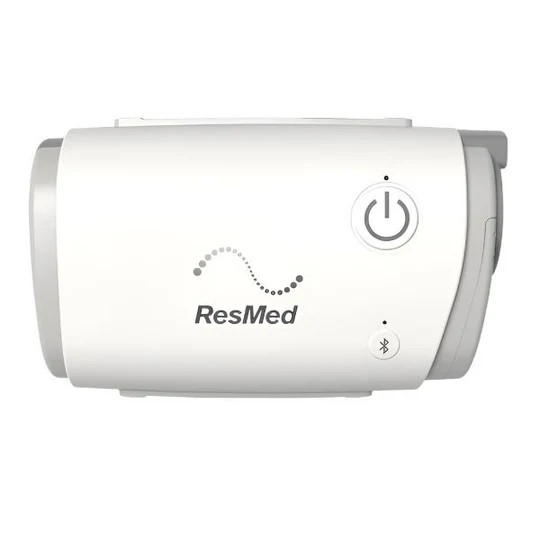
ResMed Travel CPAP
ResMed AirMini™ AutoSet™
A 300 g travel CPAP with ResMed AutoSet therapy, app-based control, and a dedicated compact mask-and-accessory ecosystem.
- 5.4 × 3.3 × 2.1 in; 0.66 lb (300 g)
- Selected ResMed masks with the appropriate AirMini setup
- HumidX™ waterless humidification with compatible setups
- AirMini app for operation, comfort options, and therapy data
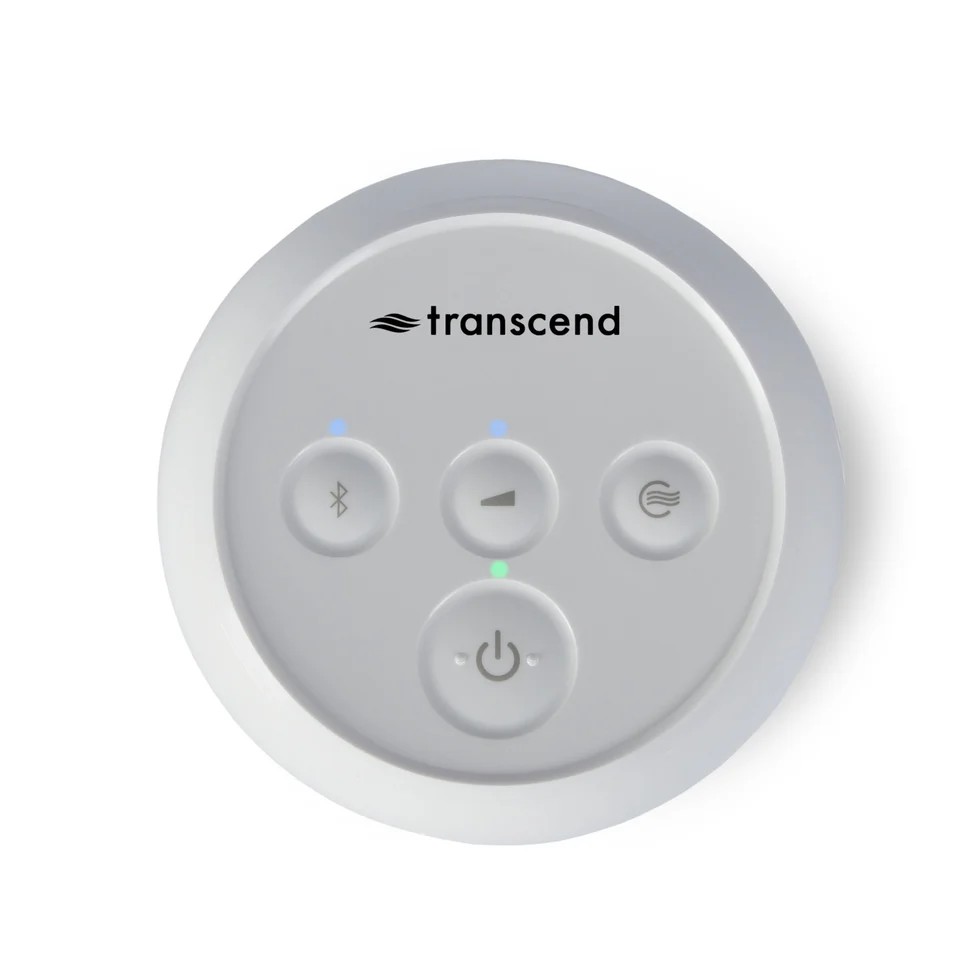
Transcend Travel CPAP
Transcend Micro™ Auto CPAP
An ultra-compact 0.48 lb travel CPAP with standard mask compatibility, app-based reporting, and optional battery and waterless humidification accessories.
- 3.6 × 3.6 × 2.4 in; 0.48 lb
- Most CPAP masks using a standard 22 mm connection
- Optional AirMist™ HME waterless humidification
- MySleepDash™ app and optional PowerAway™ battery
Prescription required: The machine, therapy mode, pressure range, and settings must match a valid prescription. Compatible masks, setup packs, humidification products, batteries, and other accessories may be sold separately.
Compare at a Glance
AirMini or Transcend Micro?
The most meaningful differences are the masks you can use, how humidification works, and which power accessories fit the device.
| Feature | ResMed AirMini | Transcend Micro |
|---|---|---|
| Size and weight | 5.4 × 3.3 × 2.1 in; 0.66 lb (300 g) | 3.6 × 3.6 × 2.4 in; 0.48 lb |
| Mask compatibility | Selected ResMed masks with the appropriate AirMini setup or connector | Most CPAP masks with a standard 22 mm connection |
| Humidification | HumidX or HumidX Plus with compatible mask setups | Optional AirMist HME with compatible setup |
| App support | AirMini app | MySleepDash app |
| Battery approach | No built-in battery; confirm compatible external power options | No built-in battery; optional PowerAway battery |
| May suit | Travellers who prefer the ResMed ecosystem and selected compatible masks | Travellers prioritizing minimal size and broader standard-mask compatibility |
MedPro Travel Rental Program
Travel CPAP, Battery & Portable Oxygen Rentals
MedPro’s rental program supports vacations, business trips, camping, temporary backup needs, power-outage planning, and trying equipment before purchase—without requiring a second machine for every short-term need.
Rental equipment is operationally checked before delivery. Contact MedPro early to confirm availability, dates, clinic pickup and return, required documentation, pricing, any eligible loyalty discount, and cancellation terms. Rental charges are due when booking; a refundable damage deposit is collected at pickup. MedPro can also help confirm compatibility and general product setup before departure.
Travel CPAP
Compact machine rentals for trips, backup needs, or trying equipment before purchase.
CPAP Batteries
Compatible battery rentals for flights, road trips, camping, or temporary backup power.
Portable Oxygen
Portable oxygen rentals for prescribed travel or temporary therapy needs.
Travel CPAP Accessories
Build the Complete Travel Setup
Confirm every connector, mask, power option, humidification product, and spare against the exact machine.
Power & Battery Options
External batteries, DC converters, cables, and plug adapters are device-specific. Confirm compatibility and expected runtime before departure.
Masks & Setup Packs
AirMini uses selected masks with specific setup components. Transcend Micro supports most masks with a standard 22 mm connection.
Waterless Humidification
HumidX and AirMist HME products capture moisture without a water chamber, but compatibility depends on the device and mask setup.
Cases, Filters & Spares
A protective case, clean filters, correct tubing, and practical spare parts can make delays and unexpected wear easier to manage.
Before You Leave
Prepare the Complete Setup Before Travel
Travel and airline rules can change. Check the full itinerary early and test the exact machine, mask, power supply, battery, and accessories you plan to bring.
Check Every Airline
Confirm medical-device, baggage, onboard-use, documentation, and advance-notice rules with every operating carrier.
Confirm Power
Verify destination voltage, plug type, approved adapters or converters, battery watt-hours, and realistic runtime.
Test the Full System
Connect and test the exact machine, mask, tubing, humidification, battery, cables, and adapters before packing.
Protect the Equipment
Keep essential equipment accessible and protected. Follow current Canadian screening instructions and the airline’s rules.
Travel safety: Do not independently change prescribed therapy settings. Current instructions from the operating carrier, CATSA, manufacturer, and authorized provider take priority.
Frequently Asked Questions
Travel CPAP Machines & Rentals FAQs
General answers about purchasing, renting, compatibility, batteries, air travel, and coverage.
Do I need a prescription to purchase a travel CPAP machine?
Yes. A valid prescription is required to purchase the AirMini or Transcend Micro from MedPro. The device, therapy mode, pressure range, and settings must match the authorized prescription.
Can I rent a travel CPAP from MedPro?
MedPro offers travel CPAP rentals subject to equipment availability and applicable requirements. Contact MedPro before your trip to confirm dates, equipment, pricing, booking, deposit, pickup, and return arrangements.
Which masks work with the ResMed AirMini?
AirMini works with selected ResMed masks and requires the appropriate AirMini setup or connector. Do not assume a standard version of a similarly named mask will connect directly. Confirm the exact mask, size, setup pack, tubing, and humidification compatibility before ordering.
Can I use my existing mask with the Transcend Micro?
The Transcend Micro works with most CPAP masks that use a standard 22 mm connection. Confirm the exact mask, tubing, connector, and optional humidification setup before relying on existing equipment.
Do travel CPAP machines include a battery?
Neither featured machine has a built-in battery. Compatible external batteries and power accessories may be available separately or through a rental. Confirm the exact connection, capacity, runtime, airline rules, and device configuration before travel.
Can I take or use a travel CPAP on an airplane?
CPAP devices are permitted through Canadian airport security, and both featured machines are designed for air travel. Onboard use is controlled by the operating airline and may require advance notice, documentation, an approved battery, or other arrangements. Confirm every flight directly with the carrier.
Will insurance cover a travel CPAP machine?
Coverage for a second or travel CPAP varies by insurer, plan, eligibility rules, prescription, and prior claims. Contact the insurer before ordering and review MedPro’s insurance and funding information for general guidance.
Product and Travel Sources
Verify the Exact Product and Current Rules
Product specifications, package contents, compatible accessories, rental availability, and travel requirements can change. Review the current product page, manufacturer instructions, the rental terms shown here, CATSA guidance, and operating-airline rules.
Medical disclaimer: This page provides general product, service, and travel information. It is not medical advice, a prescription, an airline approval, or a substitute for current product instructions and guidance from an authorized healthcare provider.
Travel CPAP Support
Find the Right Travel CPAP Solution
Compare compact machines for purchase or explore MedPro’s short-term travel equipment rental program before your next trip.