
Home Respiratory Care Tracheostomy Supplies & Support

Tracheostomy Equipment & Supplies
Tracheostomy Supplies & Support
Understand common tracheostomy tubes and supplies, plan for compatible replacements and backup equipment, and see how MedPro can support ordering and ongoing equipment needs.
Direct Answer
What Is a Tracheostomy?
A tracheostomy is a surgically created opening in the neck into the trachea, or windpipe. A tracheostomy tube helps maintain that airway, while the exact tube, inner cannula, ties, dressings, humidification, suction and other supplies follow an individualized clinical plan.
The Tube Maintains an Airway
The tracheostomy tube sits within the opening and provides a direct airway. Tube type, size and features must match the person’s documented clinical requirements.
Components Must Be Compatible
Inner cannulas, ties, caps, valves, humidification interfaces and other accessories are not universally interchangeable. Match the exact brand, model, size and prescribed configuration.
Care Is Clinician-Directed
Tube care, changes, cuff management, humidification, suction, communication devices and emergency actions require training and direction from the healthcare team.
Quick answer: Tracheostomy supplies must match the exact tube and care plan. MedPro can help identify documented equipment, locate compatible supplies and support ordering, while clinical decisions and procedures remain with the healthcare team.
CLINICIAN-DIRECTED CARE
Who May Need Tracheostomy Equipment Support?
People with a temporary or long-term tracheostomy may need reliable access to exact replacement components, daily-use supplies and backup equipment. The healthcare team determines what is clinically appropriate for each airway and care setting.
Ongoing Airway Support
A documented plan identifies the prescribed tube, compatible inner cannula and securement supplies needed to maintain the airway.
Ventilation or Humidification Needs
Some care plans include prescribed ventilation, oxygen or humidification interfaces. Connections and accessories must suit the exact tube and equipment configuration.
Secretion and Skin-Care Supplies
The plan may include suction, dressings, cleaning or skin-protection supplies. Product selection and care steps should come from the trained clinical pathway.
Home and Caregiver Continuity
Training, storage, travel, reorder timing, backups and an individualized emergency plan help support continuity outside the clinical setting.
Caregiver boundary: Only a person or caregiver trained for the exact tracheostomy system should perform clinical care. Keep the healthcare team’s written routine and emergency plan available.
KNOW THE CONFIGURATION
How Tracheostomy Systems May Differ
Tracheostomy tubes can differ in design, size, inner-cannula system, cuff, fenestration and connections. These features affect compatibility and care, so the documented product details—not appearance alone—must guide every order.
Cuffed and Cuffless Tubes
Some tubes include an inflatable cuff; others do not. Tube selection and any cuff management belong to the clinical airway and ventilation plan.
Fenestrated and Non-Fenestrated Tubes
A fenestrated tube has one or more openings in its outer cannula. Its use, configuration and related components require specific clinical direction.
Single- and Dual-Cannula Systems
Some tubes use a removable inner cannula and others do not. Inner cannulas are specific to compatible tube families, sizes and designs.
Adult, Pediatric and Exact Sizing
Sizing systems vary by manufacturer, and similar labels can represent different dimensions. Confirm the exact reference, size and product code.
Disposable and Reusable Components
A tube system may use disposable or reusable inner cannulas and accessories. Cleaning, reuse limits and replacement must follow the exact product instructions.
Valves, Caps and Equipment Interfaces
Speaking valves, caps and ventilation, oxygen, humidification or suction interfaces require compatibility and individualized clinical approval.
Compatibility boundary: Never substitute a tube, inner cannula, tie, valve, cap or interface based only on a similar appearance or nominal size. Confirm the documented manufacturer, product family, size, features and reference number.
TRACHEOSTOMY PRODUCT RANGE
Tracheostomy Tubes and Supplies Available From MedPro
MedPro’s online selection includes tracheostomy—or trach—tubes, inner cannulas, tube ties, dressings and care kits. These products are examples of available supply types; every item must match the exact documented system and individualized clinical plan.
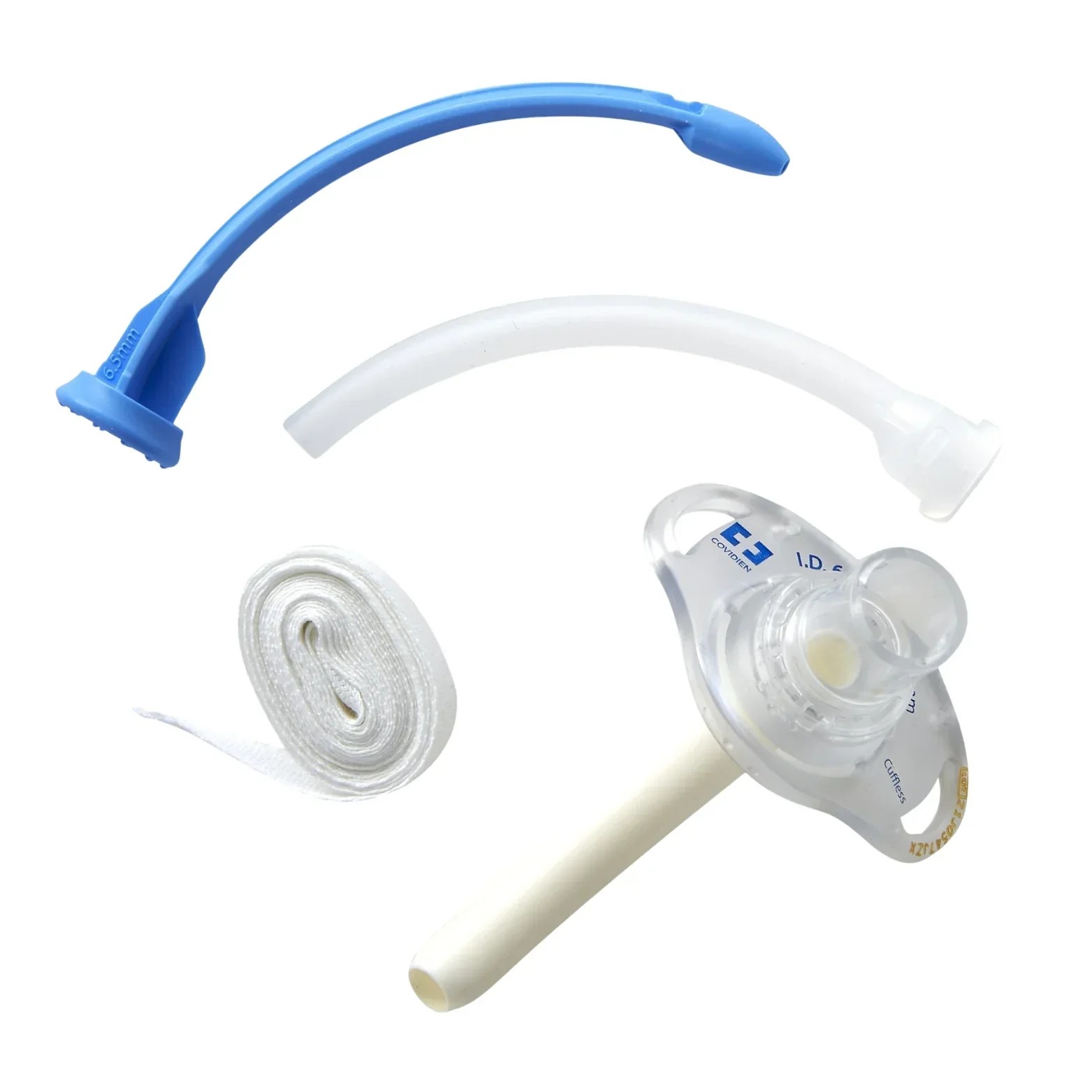
TRACHEOSTOMY TUBE
Shiley™ Flexible Cuffless Tracheostomy Tube — 10.8 mm OD / 7.5 mm ID
A cuffless Shiley tube configuration supplied with a reusable inner cannula. Confirm the documented model, size and inner-cannula system before ordering.
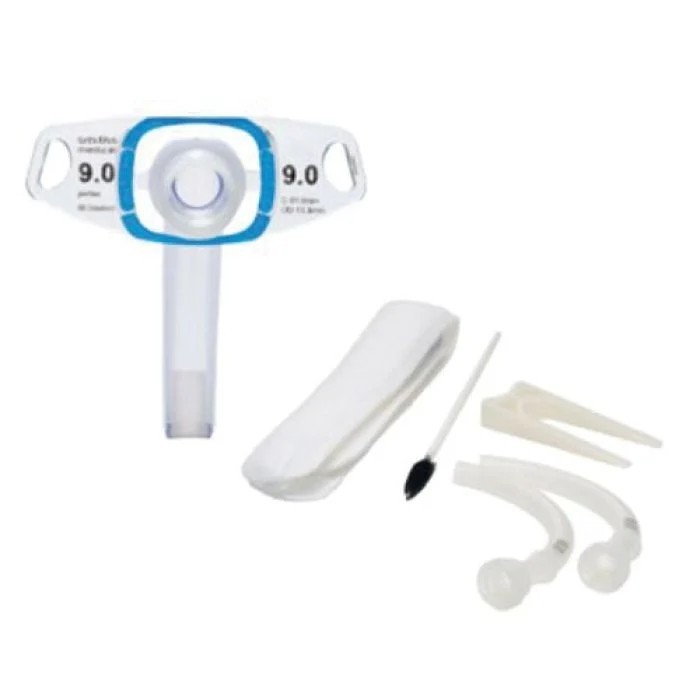
TRACHEOSTOMY TUBE KIT
Portex™ BLUselect™ Uncuffed Tracheostomy Tube Kit
An uncuffed BLUselect tube kit offered by MedPro in selected sizes. The exact tube size and compatible components must follow the clinical plan.
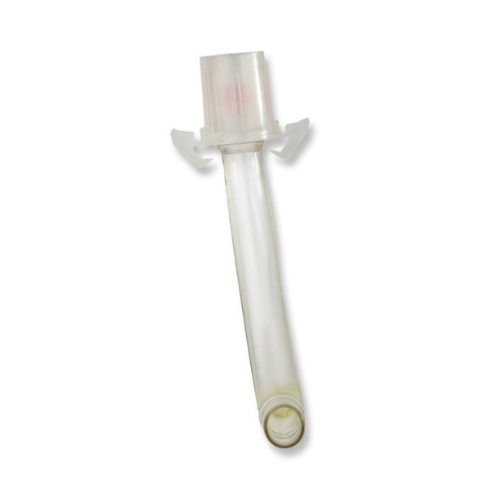
INNER CANNULAS
Shiley™ Disposable Inner Cannulas — Size 6 (10/Pack)
Single-use replacement inner cannulas for compatible Shiley tube configurations. Match the exact tube family, size and product code rather than appearance alone.
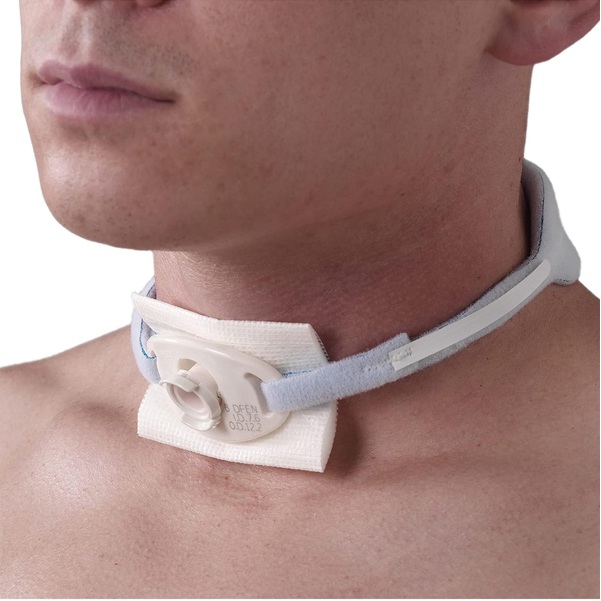
TUBE SECUREMENT
Posey® Foam Tracheostomy Ties
Soft foam ties available in selected sizes to secure compatible tracheostomy tubes. Use the prescribed tie type, size and application method.

SITE-CARE DRESSINGS
Medicom 4″ × 4″ Sterile Split Sponges
Sterile, pre-slit non-woven dressings for placement around tubes or devices when included in the individualized site-care plan.
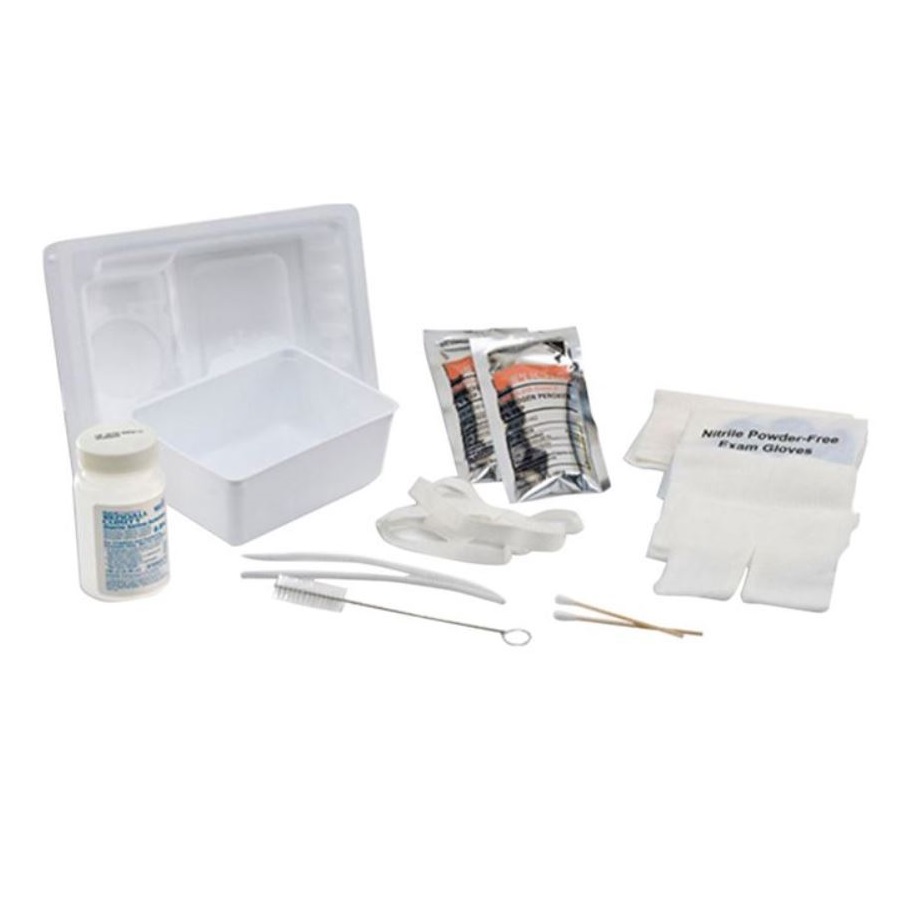
TRACHEOSTOMY CARE KIT
Cardinal Health Tracheostomy Care Tray Kit — Z47800
A sterile, single-use tray that groups common tracheostomy care supplies in one package. Confirm that its contents match the required care routine.
Compatibility first: A product listing is not a clinical recommendation. Before ordering, confirm the manufacturer, product family, size, cuff or fenestration status, inner-cannula system, reference number and any approved alternatives in the current care plan.
MATCH THE CLINICAL PLAN
How a Tracheostomy Supply Plan Is Established
A reliable supply plan starts with exact clinical and product specifications, then accounts for routine use, caregiver training, replacement, backup inventory, availability and funding.
Exact Tube Specifications
Record the manufacturer, product family, reference number, size, cuff and fenestration status, inner-cannula type and approved alternatives.
User and Caregiver Training
The person and designated caregivers need clinical training for the exact system, routine care, equipment checks, stop rules and emergency plan.
Connected Equipment Requirements
Document prescribed ventilation, oxygen, humidification, suction, communication and monitoring interfaces that must work with the airway setup.
Routine and Backup Inventory
Estimate routine use, delivery lead time, storage, travel and the individualized emergency kit so essential compatible supplies do not run out.
Cleaning and Replacement Plan
Separate single-use from reusable components and keep product-specific cleaning, drying, inspection and replacement instructions available.
Availability, Documentation and Funding
Inventory, lead times, service area, insurer or public-program rules, documentation and eligible-supplier requirements may affect access and coverage.
ORDERING & REORDERING
A Typical Ordering and Support Process
Ordering requirements vary by product, service area and funding pathway. Starting with exact specifications and a complete list reduces the risk of incompatible substitutions or supply gaps.
1
Confirm Exact Specifications
Use the current prescription, discharge list or clinical documentation to confirm tube and component details before placing an order.
2
Build the Supply List
List routine, replacement and emergency-kit items with product codes, quantities, reorder points and any approved alternatives.
3
Confirm Availability and Coverage
Check inventory, lead times, supplier requirements, authorization, covered quantities and documentation before relying on reimbursement.
4
Receive, Store and Reorder
Verify products when received, store them as directed, rotate dated stock where applicable and reorder before routine or backup supplies are depleted.
Plan ahead: Contact MedPro before supplies run low. Product availability, lead times, service pathways and coverage vary, and a prescription alone does not guarantee reimbursement.
PROTECT SUPPLIES & REDUCE RISK
Routine Supply Care and Replacement
Tracheostomy products differ in whether and how they may be cleaned, reused or replaced. Follow the individualized clinical plan and the current instructions for each exact product.
Use Hand Hygiene and a Clean Area
Clean and dry hands before handling equipment. Prepare supplies on a clean, dry surface and keep clean stock separate from used or contaminated items.
Separate Single-Use and Reusable Items
Discard single-use items as directed. Reprocess only components identified as reusable, and never reuse an item merely because it appears undamaged.
Clean and Disinfect Approved Components
Clean or disinfect only reusable inner cannulas, ties, interfaces and accessories approved for that process. Use the specified products, method and care setting.
Dry, Store, Inspect and Reorder
Dry reusable parts as directed, protect clean stock from dust and moisture, inspect packaging and components, and replace or reorder used, damaged or expired items.
There is no universal cleaning or replacement schedule. Follow the exact manufacturer instructions, clinical infection-prevention plan, and local disposal requirements for every component.
KNOW THE SAFETY BOUNDARIES
Tracheostomy Care and Emergency Boundaries
A blocked, displaced or damaged tracheostomy tube can become time-critical. Every person and trained caregiver needs an individualized routine, backup and emergency plan from the healthcare team.
Do Not Change the Airway Setup
Do not change the tube, inner cannula, cuff, fenestration, cap, valve or connected equipment without direction from the healthcare team.
Do Not Improvise Care or Products
Do not invent tube-change, cuff, suction, humidification, cleaning or stoma-care steps, and do not reuse or substitute products outside their instructions.
Contact the Clinical Team
Seek clinical direction for new bleeding, pain, skin changes, unusual secretions, repeated tube problems, new breathing or swallowing concerns, or uncertainty about the care plan.
Keep the Emergency Plan Ready
Keep trained caregivers, written instructions and the prescribed backup kit available. Product troubleshooting or supply questions must never delay urgent clinical or emergency action.
Emergency help: For severe breathing difficulty, blue or grey lips or face, loss of consciousness, an unresolved airway blockage, a displaced tube when the individualized plan cannot restore a safe airway, uncontrolled bleeding, or another medical emergency, call 911 or your local emergency service.
KNOW WHO TO CONTACT
MedPro Equipment Support and Clinical Direction
MedPro can help with documented tracheostomy equipment and supply needs. Tube selection, airway management, procedure training, symptoms and changes to the care plan remain with the appropriate healthcare team.
Contact MedPro For
- Locating documented tracheostomy tubes, inner cannulas, ties, dressings and compatible supplies
- Product codes, current availability, ordering, reordering, storage information and approved product instructions
- Non-clinical product education, supported equipment maintenance, replacement and warranty pathways
- Service-area questions, product documentation and general funding or claim-document support
Contact Your Healthcare Team For
- Tube type and size, cuff or fenestration, inner cannula, airway and ventilation decisions
- Humidification, oxygen, suction, communication, swallowing, skin-care and monitoring plans
- Clinical procedures, hands-on caregiver training, replacement timing, stop rules and emergency planning
- Bleeding, blockage, displacement, breathing changes, unusual secretions, skin concerns or other symptoms
Before ordering or visiting: Contact MedPro to confirm product and service availability and ask which current prescription, discharge list, tube package, product code, coverage information or other documentation to provide.
CONTINUE PLANNING
Related Respiratory Care Guidance
Use these focused pages for broader respiratory services, prescribed suction equipment, pulse-oximetry education, and insurance or funding information.
Respiratory Care Services
Return to the central hub for aerosol therapy, suction therapy, tracheostomy supplies, and pulse oximetry pathways.
Suction Therapy Support
Review prescribed suction units, components, consumables, equipment care and the boundaries between product support and clinical care.
Pulse Oximetry
Learn how pulse oximeters estimate oxygen saturation, how to obtain a reading, and why readings have important limitations.
Insurance and Funding
Review prescriptions, quotes, authorization, eligible suppliers, claims, and payer-specific documentation requirements.
FREQUENTLY ASKED QUESTIONS
Tracheostomy Supplies FAQs
General answers about tracheostomy tubes, compatible supplies, replacement, cleaning, ordering, safety boundaries and MedPro support.
What is a tracheostomy?
A tracheostomy is a surgically created opening through the neck into the trachea, or windpipe. A tracheostomy tube is placed through the opening to maintain a direct airway. Clinical teams determine the tube and care plan.
What tracheostomy supplies may be needed?
The plan may include exact replacement tubes and inner cannulas, ties or holders, dressings, humidification interfaces, suction equipment, cleaning or skin-care supplies and an emergency kit. The required list varies by person and system.
How do I confirm the correct tube, model and size?
Use current clinical documentation and the original product label or package to confirm the manufacturer, product family, reference number, size, cuff and fenestration status and inner-cannula type. Do not rely on colour, appearance or nominal size alone.
What do cuffed, cuffless and inner-cannula terms mean?
A cuff is an inflatable feature on some tubes; cuffless tubes do not have one. Some systems also use a removable inner cannula inside the outer tube. These features affect clinical use and component compatibility, so selection and management require clinical direction.
How often should tracheostomy supplies be replaced?
There is no universal schedule. Timing varies by tube, inner cannula, tie, dressing, interface, suction supply, product instructions and the clinical plan. Replace single-use, damaged, contaminated or expired items as directed and reorder before stock runs low.
How should tracheostomy supplies be cleaned and stored?
Follow the exact clinical and manufacturer instructions for each product. Clean or disinfect only components identified as reusable, dry them as directed, keep clean stock protected from moisture and contamination and separate used items from ready-to-use supplies.
What if the tube seems blocked or displaced, or essential equipment fails?
Follow the individualized emergency plan and use only actions for which you have been trained. Do not attempt an untrained tube change or improvise equipment. Call 911 or the local emergency service for severe breathing difficulty, an unresolved airway blockage, unsafe tube displacement or another medical emergency.
EVIDENCE & SAFETY
Clinical Sources and Important Limits
This page provides general education about tracheostomy supplies, compatibility, ordering and MedPro equipment support. It does not teach tracheostomy care procedures or determine clinical suitability.
Medical disclaimer: This information is not a diagnosis, prescription, procedure guide, device recommendation, or substitute for advice and hands-on training from your healthcare team. Follow the individualized tube, airway, ventilation, humidification, suction, communication, swallowing, skin-care, infection-prevention and emergency plan. Do not change the tube, cuff, inner cannula, valve, settings or care procedure without authorized direction.
Clinical and Patient-Education Sources
- American Association for Respiratory Care: Management of Adult Patients With Tracheostomy
- American Association for Respiratory Care: Management of Pediatric Patients With Tracheostomy
- AboutKidsHealth: Tracheostomy Care for Family Caregivers and Homecare Providers
- Health Canada: Reprocessing Instructions for Reusable Medical Devices
- Public Health Agency of Canada: Routine Practices and Additional Precautions
- MedlinePlus: Tracheostomy Overview
TRACHEOSTOMY SUPPLIES & SUPPORT
Need Help With Tracheostomy Supplies?
Contact MedPro with the exact tube and supply details for help checking compatible products, current availability, ordering, reordering and general funding-document support.