
Home CPAP Therapy CPAP Cleaning and Maintenance
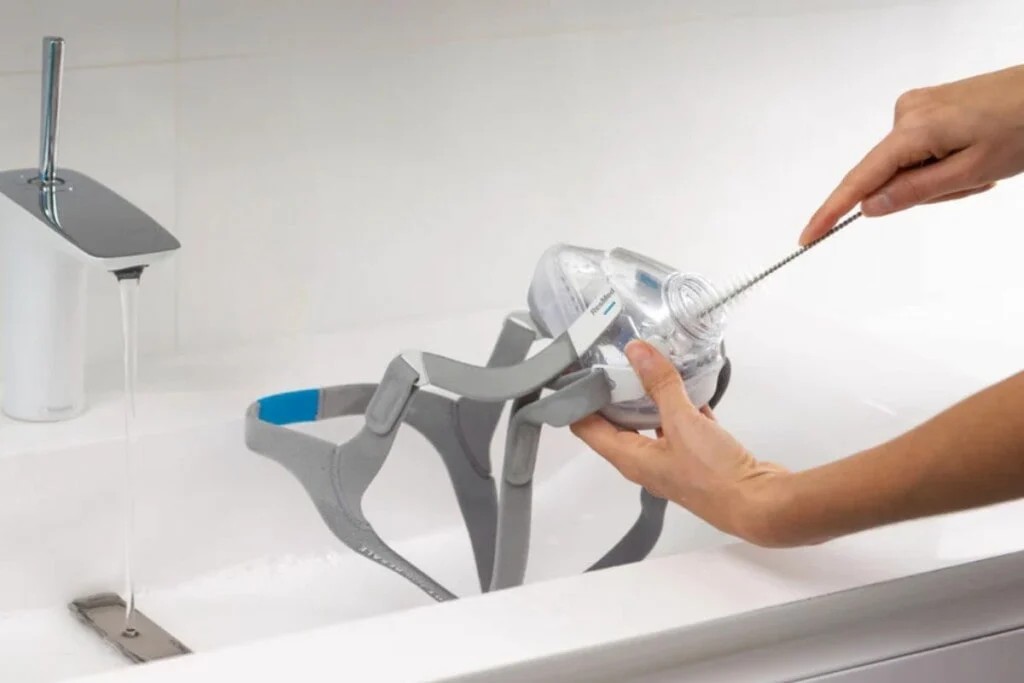
CPAP Equipment Care
CPAP Cleaning and Maintenance
Build a safe routine for cleaning your CPAP mask, tubing, humidifier chamber, filters, and device while following the instructions for your exact equipment.
Quick Answer
A Safe CPAP Cleaning Routine
Use the product instructions as the controlling guide. A typical routine combines frequent cleaning of skin-contact and water-holding parts with regular inspection of the full system.
Follow Exact Instructions
Cleaning methods vary by model and material. Use the manuals for your machine, mask, tubing, chamber, and filter.
Keep a Regular Routine
Clean skin-contact and water-holding parts on the schedule supplied by the manufacturer instead of waiting for visible residue.
Rinse and Air-Dry Fully
Rinse washable parts as directed and allow them to dry completely away from direct heat or sunlight before reassembly.
Inspect Before Use
Look for residue, trapped moisture, cracks, stiffness, discolouration, blocked vents, or other wear before reconnecting parts.
Important: Not every CPAP part is washable. Some cushions, filters, heated tubes, and humidifier chambers require model-specific methods, so confirm before soaking, scrubbing, or placing anything in a dishwasher.
Component by Component
What Should Be Cleaned—and When?
These are common routine categories, not a replacement for your product manuals. The exact frequency, soap, water temperature, and handling method depend on the equipment.
Mask Cushion or Nasal Pillows
Common routine: clean the skin-contact surface after use or daily, using only the method approved for its material.
Some foam or specialty cushions must not be submerged. Check the mask guide.
Mask Frame and Headgear
Common routine: wash removable frame and fabric parts regularly—often weekly—then rinse and air-dry completely.
Remove only the parts the guide identifies as washable.
Tubing
Common routine: wash on the schedule in the tube or device guide—often weekly—and rinse thoroughly when washing is permitted.
Heated tubing and connectors may have special handling instructions.
Humidifier Chamber
Empty, rinse, and dry as directed; clean more thoroughly on the schedule in the chamber guide to manage residue or mineral buildup.
Use only the water type and descaling method specified for the chamber.
Air Filters
Inspect filters regularly. Wash only a reusable filter that is specifically labelled washable; replace disposable filters instead.
Filter type and timing differ by device and environment.
CPAP Device Exterior
Turn off and unplug the machine, then wipe only the exterior with the approved cloth or method.
Never submerge the machine, open its housing, or let water enter the air inlet or electrical areas.
Step by Step
Clean, Dry, Inspect, and Reassemble
Set aside enough time for every washable part to dry fully before the next use.
1
Read the Instructions
Confirm which parts detach, which are washable, and what products, water temperature, and frequency are permitted.
2
Prepare Safely
Wash your hands. Turn off and unplug the device before handling the machine or cleaning the exterior.
3
Disassemble Approved Parts
Separate only the mask, tubing, chamber, and accessories identified in the product guide.
4
Wash as Directed
Use the approved method—commonly warm water and mild, fragrance-free soap for washable accessories.
5
Rinse and Air-Dry
Rinse washable parts thoroughly and let them dry completely in a clean area away from direct heat and sunlight.
6
Inspect and Reassemble
Check for residue, moisture, cracks, wear, or blocked vents, then reconnect parts exactly as shown in the guide.
Drying and Storage
- Place parts on a clean towel or hang them only when the guide permits
- Keep drying parts away from direct sunlight, heaters, hair dryers, and high heat
- Store clean, dry parts where they are protected from dust, smoke, pets, and contamination
- Keep the device on a stable, dry surface with vents unobstructed
Do not reassemble or use parts while moisture remains where the instructions require them to be dry.
When Cleaning Is Not Enough
- Cushion no longer seals after cleaning and refitting
- Tubing, chamber, seal, connector, or headgear is cracked, stiff, torn, or stretched
- Persistent residue, odour, cloudiness, or mineral buildup remains after approved cleaning
- Filter is due, damaged, or not intended to be washed
- Device shows water intrusion, electrical damage, a burning smell, or repeated fault
Stop using visibly damaged equipment and ask MedPro whether a part needs replacement or service.
Use the Right Method
Cleaning Dos and Don’ts
Choose only methods allowed by the manufacturer for the exact component. More aggressive cleaning is not necessarily safer and can damage equipment.
Do
- Use mild, fragrance-free soap when the component instructions allow it
- Use a clean basin, cloth, or soft brush only when approved
- Rinse washable parts thoroughly with the water quality specified by the guide
- Use diluted vinegar only when the chamber or accessory instructions permit it
- Keep a simple routine so parts have enough time to dry before use
- Ask MedPro when a material, cleaning product, or replacement decision is unclear
Don’t
- Submerge the CPAP machine or allow water into the air inlet or electrical areas
- Use bleach, alcohol, solvents, fragrances, moisturizers, essential oils, or harsh cleaners unless specifically permitted
- Use a dishwasher, boiling water, high heat, direct sunlight, or aggressive scrubbing unless the exact guide allows it
- Treat ozone, UV, or an automated cleaner as a replacement for manufacturer-recommended cleaning
- Wash a disposable filter or soak a component that is not labelled washable
- Use cracked, water-damaged, electrically damaged, or incompletely dried equipment
About ozone and UV devices: Regulators have warned about unapproved ozone- and UV-based products. Use an add-on device only if it is authorized for the specific purpose and permitted by your CPAP manufacturer; it still does not replace the manufacturer’s regular cleaning process.
Know Who to Contact
When to Ask for Help
Equipment questions, health concerns, and emergencies belong with different sources of support.
Contact MedPro For
- Cleaning instructions or compatible products for equipment supplied by MedPro
- Residue, odour, wear, damaged accessories, or replacement-part questions
- Filter, tubing, chamber, mask, or device-maintenance guidance
- Unclear manuals, routine device alerts, or suspected equipment service needs
Contact Your Clinician For
- New or worsening breathing, skin, sinus, infection, or other health concerns
- Symptoms that continue despite using clean equipment as prescribed
- Questions about diagnosis, medications, prescribed pressure, or treatment settings
- Advice after illness or when a clinician has given special infection-control instructions
Call Emergency Services For
- A medical emergency or immediate danger
- Severe breathing difficulty while awake
- Chest pain, loss of consciousness, or unresponsiveness
- Another condition requiring urgent help
Frequently Asked Questions
CPAP Cleaning & Maintenance FAQs
General answers about routine care, safe cleaning methods, drying, and replacement.
How often should CPAP equipment be cleaned?
The schedule depends on the exact component and manufacturer. Many guides call for frequent or daily cleaning of the skin-contact cushion and routine care of the water chamber, with tubing, headgear, frame, and other washable parts cleaned regularly—often weekly. Use each product guide as the controlling schedule.
What soap can I use to clean CPAP equipment?
For parts whose instructions permit soap-and-water cleaning, use only the type specified by the manufacturer—commonly a mild, fragrance-free liquid soap. Avoid products with moisturizers, fragrance, bleach, alcohol, solvents, or harsh additives unless the exact guide expressly allows them.
Can CPAP parts go in the dishwasher?
Only if the manual for that exact component says it is dishwasher-safe and gives placement and temperature instructions. Some humidifier chambers may allow dishwasher cleaning while others do not; masks, cushions, tubing, and specialty materials also vary.
Can I use an ozone or UV CPAP cleaner?
Do not assume an ozone, UV, or automated cleaner is safe or compatible. Regulators have warned about unapproved devices, and CPAP manufacturers may prohibit these methods. If considering an add-on device, confirm its authorization and compatibility first. It does not replace regular manufacturer-recommended cleaning.
How long should CPAP parts dry before I use them?
Drying time varies with the part and room conditions. Allow washable components to air-dry completely, away from direct sunlight and high heat, before reassembly whenever the product instructions require them to be dry. Start cleaning early enough that nothing is still damp at bedtime.
What water should I put in the CPAP humidifier?
Use the water type specified in the humidifier or device manual. Requirements can vary by model and location. Empty, rinse, refill, descale, and dry the chamber only as directed, and contact MedPro if the instructions are missing or unclear.
When should I replace a CPAP part instead of cleaning it again?
Replacement may be appropriate when a part is cracked, torn, stiff, stretched, discoloured, unable to seal, permanently cloudy, or still has residue or odour after approved cleaning. Replace disposable filters on schedule and stop using any part with unsafe damage. Ask MedPro to confirm compatible supplies.
Evidence and Safety
Clinical, Regulatory, and Manufacturer Sources
This page uses regulator and manufacturer cleaning guidance. The instructions supplied with your exact equipment remain the controlling source for cleaning, water type, dishwasher use, and replacement.
Medical disclaimer: This page provides general equipment education and is not medical advice, a diagnosis, or a substitute for your prescription, device instructions, or advice from a qualified healthcare professional.
CPAP Equipment Care
Ready to Review Your CPAP Supplies?
Use the replacement guide to review common wear signs and timing, or contact MedPro for help identifying compatible masks, tubing, chambers, filters, and other supplies.