
Home CPAP Therapy BiPAP / Bilevel Therapy
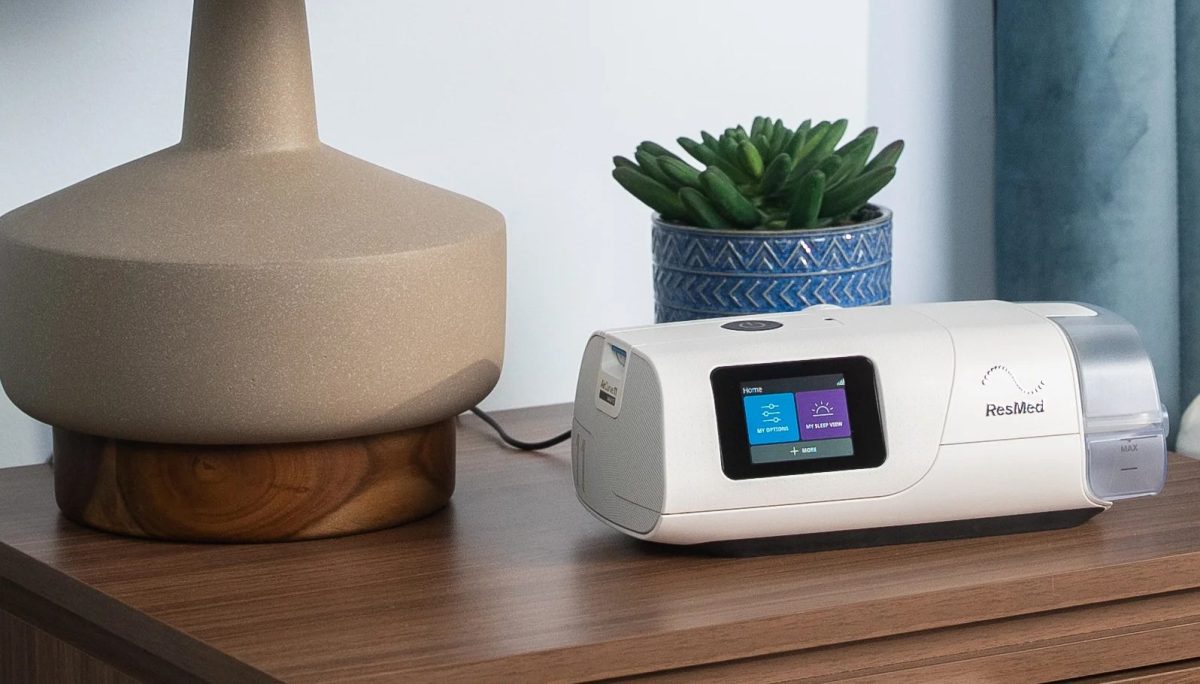
Bilevel Positive Airway Pressure
BiPAP / Bilevel Therapy
Bilevel positive airway pressure provides separate prescribed pressure levels during inhalation and exhalation. Learn how bilevel differs from CPAP and explore the equipment and support available through MedPro.
Direct Answer
What Is Bilevel Positive Airway Pressure?
Bilevel PAP—also called BPAP and commonly referred to as BiPAP—delivers one prescribed pressure during inhalation and another during exhalation.
Inspiratory Pressure
The inhalation pressure is commonly called IPAP. It is the prescribed pressure delivered while you breathe in.
Expiratory Pressure
The exhalation pressure is commonly called EPAP. It is the prescribed pressure delivered while you breathe out.
Prescribed as a System
The device type, therapy mode, pressure levels, backup features, and other clinical settings must match the prescription and treatment plan.
Quick answer: Bilevel is not simply “stronger CPAP.” It is a distinct PAP approach that uses two pressure levels and may include different modes or features for different clinical needs.
Compare PAP Approaches
CPAP, APAP and Bilevel Therapy
All three are forms of positive airway pressure. The important difference is how the prescribed pressure is delivered.
CPAP
Continuous positive airway pressure generally delivers one therapeutic pressure while you sleep. It is commonly used for obstructive sleep apnea when prescribed.
APAP
Auto-adjusting positive airway pressure changes within a prescribed range in response to breathing patterns detected by the device.
Bilevel PAP
Bilevel therapy provides separate inhalation and exhalation pressures. The mode and settings are selected for the person’s diagnosed condition and treatment requirements.
The right device is a clinical decision: CPAP or APAP is commonly used for routine obstructive sleep apnea treatment. Bilevel may be selected when the prescriber identifies a different pressure or ventilatory-support need.
How the Pressure Cycle Works
Understanding IPAP, EPAP and Pressure Support
These terms describe how a bilevel prescription is organized. They are educational definitions—not instructions for changing device settings.
IPAP Supports Inhalation
IPAP is the pressure used during inhalation. It is usually the higher of the two bilevel pressures.
EPAP Supports the Airway
EPAP is the pressure used during exhalation. It can help support the airway between breaths according to the prescribed therapy.
Pressure Support Is the Difference
Pressure support is the difference between IPAP and EPAP. Its clinical purpose and amount depend on the prescribed mode and treatment goal.
Do not change IPAP, EPAP, pressure support, backup rate, or another clinical setting on your own. Contact MedPro for equipment-operation questions and the prescribing clinician for setting or treatment-plan decisions.
Clinician-Directed Therapy
Who May Be Prescribed Bilevel Therapy?
A clinician may prescribe bilevel for selected sleep-related breathing or respiratory-support needs. The indication depends on diagnosis, testing, health history, and the required therapy mode.
Selected Obstructive Sleep Apnea Needs
Bilevel may be considered when the treatment plan calls for separate inhalation and exhalation pressures rather than routine CPAP or APAP.
Other Sleep-Related Breathing Needs
Some sleep-related breathing disorders require a specific bilevel mode, backup feature, or another advanced PAP approach selected by the treating clinician.
Ventilatory-Support Requirements
Certain respiratory or neuromuscular conditions may involve bilevel or non-invasive ventilation, but the equipment and mode must be prescribed for that exact need.
Modes are not interchangeable: Spontaneous bilevel, bilevel with a backup rate, adaptive servo-ventilation, and volume-assured modes serve different purposes. A device should never be selected by name alone.
Featured Bilevel Equipment
Explore ResMed AirCurve 11 Bilevel Devices
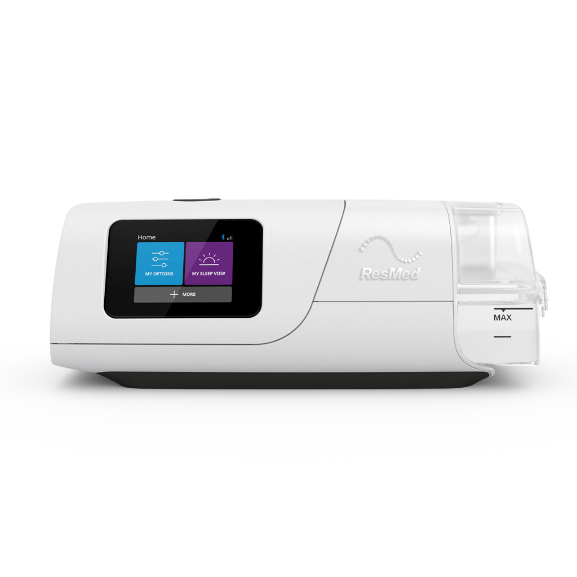
MedPro offers two AirCurve 11 configurations for different prescribed therapy needs. Both include integrated humidification and ClimateLineAir 11 heated tubing, but their therapy modes are designed for different clinical requirements.
Auto-Adjusting Bilevel
ResMed AirCurve 11 VAuto
An auto-adjusting bilevel device for prescribed treatment of obstructive sleep apnea. It provides separate inhalation and exhalation pressure levels while adapting therapy within the prescribed settings.
Separate prescribed inhalation and exhalation pressures
Integrated HumidAir humidifier
ClimateLineAir 11 heated tubing included
Adaptive Servo-Ventilation
ResMed AirCurve 11 ASV
A specialized adaptive servo-ventilation device that adjusts pressure support for prescribed treatment of central sleep apnea, mixed apneas, or periodic breathing.
Adaptive pressure support based on breathing patterns
Integrated HumidAir humidifier
ClimateLineAir 11 heated tubing included
Important: These devices use different therapy modes and are not interchangeable. The prescribed model, mode, and settings must match the clinical assessment. ASV therapy also has specific contraindications and requires screening by the prescribing clinician.
From Prescription to Daily Use
What to Expect During Bilevel Setup
The exact process varies by prescription, location, funding, device availability, and required therapy mode. A typical equipment pathway includes these four stages.
1
Confirm the Prescription
Review the prescribed device category, therapy mode, clinical settings, humidification, mask requirements, and any supporting documentation.
2
Match Compatible Equipment
Identify a machine, mask, tubing, chamber, filters, power supply, and accessories that meet the prescription and model requirements.
3
Complete Setup Education
Learn device controls, assembly, mask placement, humidifier handling, routine care, data features, and what common alerts mean.
4
Use Therapy & Follow Up
Use the equipment as directed, note comfort or operation concerns, and seek equipment or clinical support through the appropriate pathway.
Coverage note: Bilevel equipment may require a separate prescription, supporting clinical documentation, prior authorization, or confirmation of the prescribed mode. Verify requirements before purchase. Review insurance and funding information .
Setup & Education
What MedPro Equipment Support May Cover
MedPro can help you understand the prescribed system and its day-to-day equipment requirements without replacing the clinician who manages the prescription.
Device Operation
Review starting and stopping therapy, ramp or comfort features permitted by the prescription, display navigation, power, and model-specific controls.
Mask Fitting
Position the mask, balance the headgear, check the seal with airflow on, and discuss fit concerns without excessive tightening.
Humidification & Comfort
Learn how to fill, install, and clean the chamber and how to identify dryness or condensation concerns that need equipment review.
Routine Care & Supplies
Review the manufacturer’s cleaning instructions, filter inspection, component condition, replacement guidance, and compatible supplies.
For the broader first-therapy pathway, visit Getting Started with CPAP . Many equipment principles apply across PAP systems, but bilevel modes and settings require their specific prescription and instructions.
Common Adjustment Questions
What Should You Monitor When Starting Bilevel?
The change between inhalation and exhalation pressures can feel different from CPAP. Specific observations help MedPro or your clinician determine the right next step.
The Pressure Change Feels Unfamiliar
A two-pressure breathing pattern may take time to become familiar. Use the system as directed and report persistent difficulty rather than changing settings yourself.
The Mask Leaks During Inhalation
A leak may become more noticeable at the higher inhalation pressure. Reseat the cushion, review strap balance, and request a fitting check if it continues.
Dryness or Condensation Develops
Review chamber installation, water level, tubing, room conditions, and permitted comfort features. Follow the exact equipment instructions.
Alerts or Therapy Concerns Appear
Record the message or behaviour and contact MedPro for equipment support. Contact the clinician for persistent symptoms, therapy effectiveness, or prescribed-setting questions.
See the broader CPAP troubleshooting guide for mask, airflow, moisture, noise, and equipment concerns that may also affect bilevel use.
Right Question, Right Support
Know Who to Contact
Equipment questions and clinical decisions require different support. Use the examples below as a general guide.
Contact MedPro For
- Device assembly, controls, power, filters, tubing, and humidification
- Mask style, sizing, seal, headgear, and equipment comfort
- Model-specific cleaning, maintenance, supplies, and warranty pathways
- Equipment alerts, connectivity, and available follow-up support
Contact Your Clinician For
- Whether bilevel is appropriate for your diagnosis
- Device mode, IPAP, EPAP, pressure support, or backup-rate decisions
- Persistent symptoms despite using therapy as directed
- Changes in health, medications, breathing, or treatment plan
Urgent help: For severe breathing difficulty while awake, chest pain, loss of consciousness, or another medical emergency, call 911 or your local emergency service.
Continue Your Therapy Path
Related PAP Guidance
Use these focused pages to understand the broader treatment decision, begin PAP therapy, improve mask fit, and plan ongoing support.
Treatment Options
Review the main sleep apnea treatment categories and the role of clinician-directed treatment selection.
Getting Started
Understand prescriptions, equipment setup, mask fitting, first use, and the general PAP support pathway.
Mask Fitting
Compare mask styles and learn how a secure, comfortable seal is assessed with prescribed PAP equipment.
Follow-Up Support
Learn when MedPro may help with equipment comfort, operation, maintenance, and ongoing-use questions.
Return to the CPAP Therapy hub for the complete MedPro PAP guidance pathway.
Frequently Asked Questions
BiPAP and Bilevel Therapy FAQs
General answers about bilevel terminology, pressure delivery, equipment, masks, settings, and support.
What is BiPAP or bilevel therapy?
Bilevel positive airway pressure delivers separate prescribed pressures during inhalation and exhalation. The inhalation pressure is commonly called IPAP and the exhalation pressure EPAP. The device mode and settings must match the prescription.
What is the difference between CPAP, APAP and bilevel PAP?
CPAP generally delivers one continuous therapeutic pressure. APAP adjusts within a prescribed pressure range. Bilevel PAP uses separate inhalation and exhalation pressures and may include different modes or features for selected clinical needs.
Is BiPAP the same as BPAP or bilevel PAP?
BiPAP is a commonly used brand-derived term. BPAP and bilevel PAP are generic terms for the therapy category. Not every bilevel device has the same mode, features, or clinical purpose, so the exact prescription and model matter.
Does bilevel therapy feel different from CPAP?
It can. The device changes between the inhalation and exhalation pressures during the breath cycle. Some people need time and support to become familiar with that pattern. Report persistent difficulty rather than changing clinical settings yourself.
Can a CPAP mask be used with a bilevel machine?
Many PAP masks may be compatible, but compatibility depends on the machine, mode, pressure requirements, mask vent design, tubing, connectors, and manufacturer instructions. A fitting should verify that the selected mask is appropriate for the prescribed system.
Can I change my bilevel pressures or therapy mode?
Do not change IPAP, EPAP, pressure support, backup rate, therapy mode, or another prescribed clinical setting unless the authorized clinician directs you to do so. MedPro can explain equipment controls and help route setting questions appropriately.
What should I do if I have symptoms, leaks, dryness or device alerts?
Contact MedPro for mask fit, humidification, tubing, filters, equipment operation, and alert support. Contact your clinician for persistent symptoms, breathing concerns, treatment effectiveness, or prescribed-setting questions. Seek emergency help for severe or urgent symptoms.
Evidence & Safety
Clinical Sources and Important Limits
This page provides general education about bilevel positive airway pressure and MedPro equipment support. It does not determine whether bilevel is appropriate for a particular person.
Medical disclaimer: This information is not a diagnosis, prescription, device recommendation, or substitute for advice from your healthcare professional. Follow the prescribed therapy, model instructions, and clinical follow-up plan. Do not change pressure, mode, backup, oxygen, medication, or another clinical setting without authorized direction.
Clinical and Patient-Education Sources
BILEVEL EQUIPMENT & SUPPORT
Have Questions About Prescribed Bilevel Therapy?
Connect with a MedPro clinic to discuss compatible bilevel equipment, mask fitting, setup education, coverage questions, and ongoing equipment support.