
Home Respiratory Care Aerosol Therapy & Nebulizer Support

Aerosol Therapy Equipment & Support
Aerosol Therapy & Nebulizer Support
Learn how prescribed nebulizer systems deliver inhaled medication for asthma, COPD and other respiratory conditions, compare MedPro aerosol therapy equipment, and understand where MedPro can provide equipment support.
Direct Answer
What Is Aerosol Therapy?
Aerosol therapy uses a compatible device to turn a prescribed liquid medication or solution into a mist that can be inhaled through a mouthpiece or mask.
Medication Becomes a Mist
The nebulizer creates an aerosol from the liquid placed in its medication chamber. The aerosol is then inhaled into the airways and lungs.
A Mouthpiece or Mask Is Used
The interface connects to the nebulizer chamber. The appropriate interface depends on the person, device, medication, and clinical instructions.
Medication and Device Are Prescribed Together
The medicine, dose, frequency, nebulizer type, interface, and use instructions must be compatible with the treatment plan.
Quick answer: A nebulizer is a medication-delivery device. It does not decide which medicine to use, how much to use, how often to use it, or when a treatment plan should change.
Clinician-Directed Care
Nebulizer Therapy for Asthma, COPD and Other Respiratory Conditions
A clinician may prescribe nebulizer therapy when a specific inhaled medication and delivery method fit the diagnosis, treatment goal, abilities and care setting. This may include some asthma or COPD treatment plans.
Asthma and Nebulizer Therapy
Some people with asthma may be prescribed liquid medication delivered through a compatible nebulizer. The nebulizer does not choose the medication or dose, and it is not automatically a better option than an inhaler; follow the asthma action plan and instructions from the treating healthcare professional.
COPD and Nebulizer Therapy
Some people with COPD may use a nebulizer to deliver prescribed inhaled medication when that method fits their care plan, abilities or clinical circumstances. Do not change between a COPD nebulizer machine and an inhaler without authorized clinical direction.
Medication and System Compatibility
The prescribed medicine or solution must be compatible with the exact compressor, chamber, interface and instructions. Any nebulizer machine used for asthma or COPD must match the prescription, compatible components and intended setting.
Ability and Care Setting
Age, coordination, breathing pattern, physical ability, caregiver support, electrical access, portability, cleaning and storage needs can influence the delivery method and equipment plan.
Medication boundary: Only use medication or solution specifically directed for the prescribed nebulizer. Do not add, mix, dilute, substitute or reuse medication unless an authorized clinician or pharmacist has instructed you to do so.
MedPro Aerosol Therapy Products
Featured Aerosol Therapy Equipment
Compare three nebulizer systems available through MedPro. The appropriate equipment must match the prescribed medication, compatible components, intended setting and user needs.
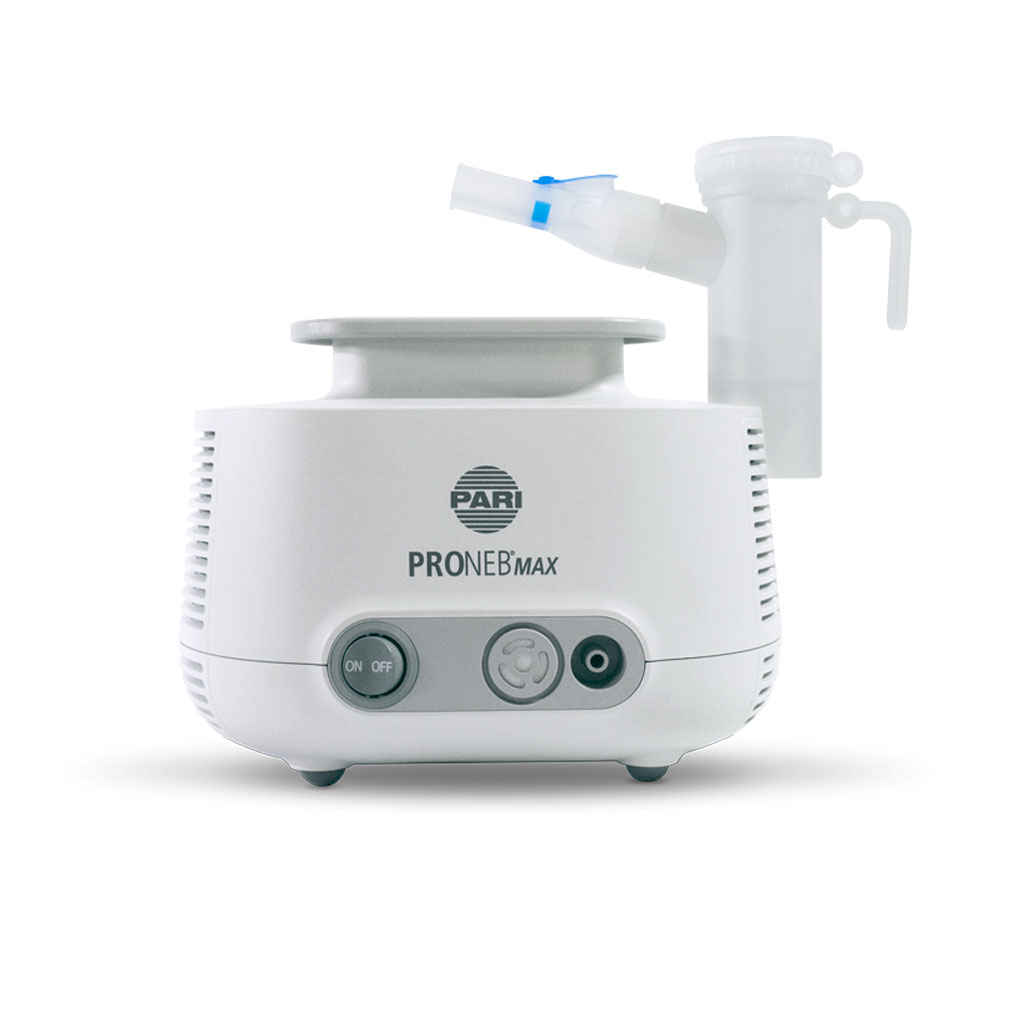
Home Compressor
PARI PRONEB® Max
A durable compressor nebulizer system intended for frequent prescribed aerosol treatments at home. MedPro offers configurations paired with a PARI LC Sprint or LC PLUS reusable nebulizer.
- Approximately 4 lb compressor
- Choice of compatible PARI nebulizer
- Limited five-year warranty
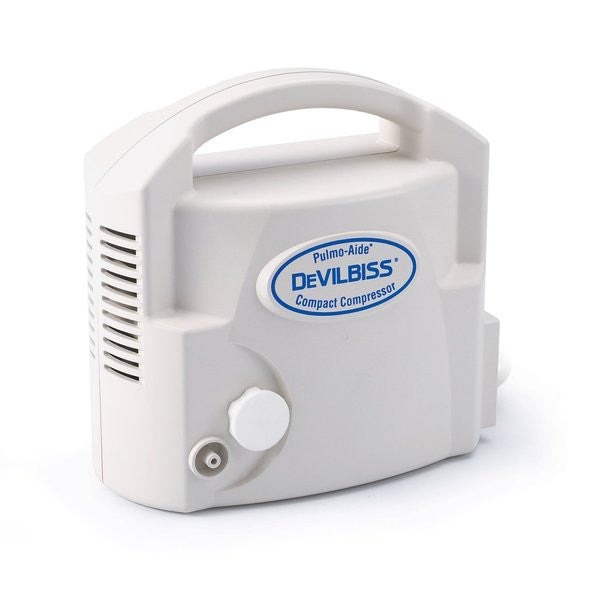
Compact Compressor
DeVilbiss Pulmo-Aide® Compact
A compact AC-powered compressor nebulizer for prescribed aerosol therapy at home or where plug-in power is available. Its smaller footprint also makes it easier to transport between suitable locations.
- 3.8 lb compact design
- AC-powered operation
- Limited five-year warranty
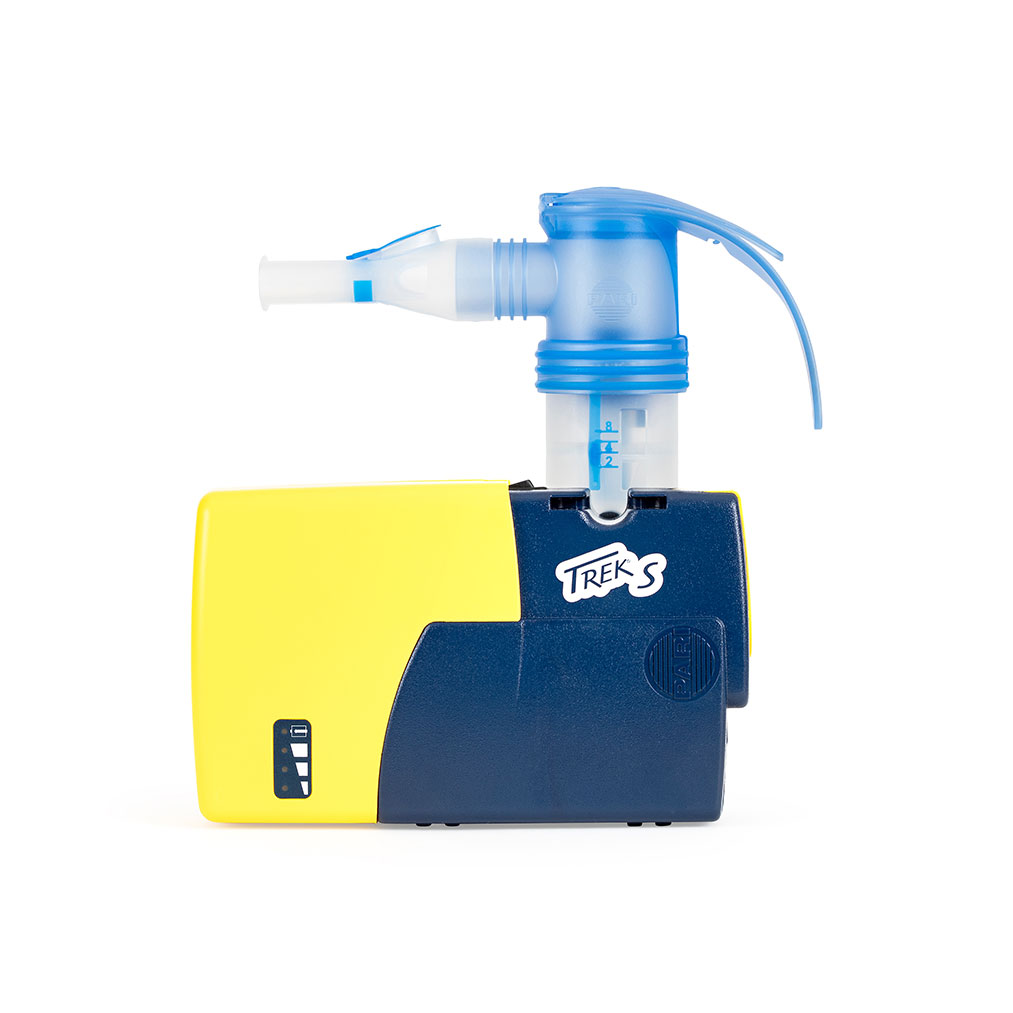
Portable System
PARI Trek® S
A portable compressor aerosol system designed for people who need to transport their prescribed nebulizer equipment. Confirm the required power source, chamber and accessories for the intended use.
- Compact portable format
- Designed for use away from home
- Model-specific power and accessories
Confirm compatibility before ordering. Product availability and configurations can change. The device, chamber, interface, power source and cleaning instructions must suit the prescribed medication and intended use.
Know the Full System
Components of a Nebulizer Setup
Use only the power sources, chambers, tubing, interfaces, filters, and accessories approved for the exact nebulizer system.
Compressor or Power Unit
The main unit provides compressed air, vibration, or another mechanism that enables the compatible nebulizer chamber to create aerosol.
Medication Chamber
The chamber or cup holds the prescribed liquid during treatment and is designed to work with a particular device or compressor.
Tubing and Connections
Jet nebulizers commonly use tubing between the compressor and chamber. Tubing type, connection, care, and replacement are model-specific.
Mouthpiece or Mask
The selected interface should fit correctly and be used according to the clinical and manufacturer instructions.
Filters and Replacement Parts
Some systems use intake filters, valves, caps, mesh heads, or other serviceable parts with specific inspection and replacement requirements.
Power Supplies and Batteries
Portable systems may use approved batteries, adapters, or chargers. Only compatible power accessories should be connected.
Do not improvise components. An apparently similar chamber, mask, tubing set, filter, battery, adapter, or charger may not be compatible with the prescribed system.
Match the Prescribed Equipment
How a Nebulizer System Is Selected
The equipment should match the medication, user, treatment environment, maintenance needs, and available support pathway.
Medication Compatibility
The device and chamber must be suitable for the prescribed medication or solution and the delivery instructions provided by the clinician or pharmacist.
User and Caregiver Needs
Age, dexterity, coordination, mask tolerance, caregiver support, and the ability to assemble and clean the system may affect selection.
Home and Mobility Needs
Treatment location, portability, access to power, battery planning, storage, transportation, and daily routines help determine practical requirements.
Model Performance
Output, treatment time, residual volume, noise, duty cycle, and other specifications vary. Compare manufacturer information for the intended medication and use.
Cleaning and Replacement
The cleaning, disinfection, drying, filter, chamber, mask, tubing, and replacement requirements should be realistic for the care plan.
Availability and Coverage
Inventory, service location, insurer rules, funding, documentation, and eligible-supplier requirements may affect access. A prescription does not guarantee coverage.
General Equipment Path
A Typical Setup and Use Process
Exact preparation and use steps vary by medication, device, interface, and care plan. The supplied instructions take priority.
1
Confirm the Instructions
Verify the prescribed medication, dose, schedule, device, chamber, interface, and any special preparation instructions before treatment.
2
Prepare the System
Wash and dry hands, use a clean work area, assemble the compatible components, and place the prescribed liquid in the chamber as directed.
3
Use the Nebulizer as Directed
Position the device and interface according to the instructions, begin treatment, and follow the prescribed breathing and completion guidance.
4
Clean, Dry and Store
After use, separate the appropriate parts and follow the exact cleaning, disinfection, air-drying, inspection, and storage instructions.
Do not guess when instructions differ. Contact the dispensing pharmacy or clinician for medication questions and MedPro for equipment assembly, controls, compatible components, or device-support questions.
Protect Performance and Hygiene
Cleaning, Drying and Replacement
Moisture, residue, contamination, blocked openings, damaged parts, or incorrect reassembly can affect equipment performance.
Clean the Approved Parts
Clean the medication chamber, mouthpiece, mask, and other washable parts at the frequency and by the method specified for that exact product.
Air-Dry Completely
Place cleaned parts in a clean area and allow them to dry as directed before reassembly or storage. Avoid trapping moisture in a closed container.
Keep Non-Washable Parts Dry
Do not immerse the compressor, power unit, electrical parts, tubing, filter, or mesh assembly unless the manufacturer explicitly permits it.
Inspect and Replace
Check for cracks, clouding, blocked openings, loose connections, worn valves, damaged tubing, dirty filters, or another sign that service or replacement is due.
Do not share a nebulizer setup unless the equipment is specifically intended for multi-person use and has been reprocessed under an approved clinical protocol.
Safe Equipment Use
Troubleshooting and Safety Boundaries
Use the exact equipment and medication instructions. Equipment troubleshooting should never delay urgent clinical care.
Use Only the Directed Medication
Do not use tap water, essential oils, over-the-counter liquids, leftover medication, or another person’s medicine in a nebulizer unless specifically authorized for that use.
Use a Stable, Suitable Area
Place equipment on a stable surface, keep vents clear, use dry hands around electrical parts, protect cords, and supervise children or anyone who needs assistance.
If Mist Is Weak or Absent
Check power, assembly, connections, tubing, chamber position, approved cleaning steps, and the user manual. Stop if the device is damaged, overheats, or cannot operate as intended.
When Symptoms or Reactions Occur
Contact the clinical team for worsening symptoms, unexpected reactions, or concerns about treatment effectiveness. Do not compensate by changing the dose or frequency yourself.
Emergency help: For severe breathing difficulty, chest pain, blue or grey lips or face, loss of consciousness, or another medical emergency, call 911 or your local emergency service.
Know Who to Contact
MedPro Equipment Support and Clinical Direction
MedPro can support prescribed equipment and supplies. Medication and treatment decisions remain with the appropriate clinician or pharmacist.
Contact MedPro For
- Nebulizer equipment options within the documented requirements
- Compatible chambers, tubing, masks, mouthpieces, filters, batteries, and supplies
- Setup, controls, assembly, cleaning, maintenance, replacement, and warranty pathways
- Local availability, product documentation, general funding questions, and equipment troubleshooting
Contact Your Clinician or Pharmacist For
- Diagnosis and whether nebulizer therapy is appropriate
- Medication choice, dose, frequency, mixing, dilution, substitution, or missed-treatment guidance
- Whether an inhaler, spacer, nebulizer, or another delivery method should be used
- Persistent symptoms, side effects, treatment effectiveness, or changes to the care plan
Before visiting a clinic: Contact the location to confirm aerosol-therapy availability and ask what prescription, referral, equipment, medication list, coverage information, or other documentation to bring.
Continue Planning
Related Respiratory Care Guidance
Use these focused pages for broader service navigation, monitoring-device education, funding information, and product browsing.
Respiratory Care Services
Return to the central hub for aerosol therapy, suction therapy, tracheostomy support, and pulse oximetry pathways.
Pulse Oximetry
Learn how pulse oximeters estimate oxygen saturation, how to obtain a reading, and why readings have important limitations.
Insurance and Funding
Review prescriptions, quotes, authorization, eligible suppliers, claims, and payer-specific documentation requirements.
Nebulizers and Supplies
Browse MedPro’s transactional aerosol-therapy category for current nebulizer equipment and compatible supplies.
Frequently Asked Questions
Aerosol Therapy and Nebulizer FAQs
General answers about nebulizer equipment, asthma and COPD use, medication boundaries, cleaning and support.
What is aerosol therapy?
Aerosol therapy uses a compatible device to create an inhalable mist from a prescribed liquid medication or solution. A nebulizer system may include a power unit or compressor, medication chamber, tubing, mouthpiece or mask, filters, and other model-specific components.
Can nebulizers be used for asthma or COPD?
Yes, some people are prescribed nebulized medication as part of an asthma or COPD care plan. A nebulizer is the delivery device; the treating healthcare professional determines whether it is appropriate and directs the medicine, dose and frequency. Do not substitute a nebulizer for an inhaler—or the reverse—without authorized guidance.
Is a nebulizer the same as an inhaler?
No. Both can deliver inhaled medication, but they use different devices and techniques. The appropriate medication-delivery method depends on the prescribed medicine, diagnosis, age, coordination, abilities, and care plan. Ask the clinician or pharmacist before substituting one for another.
Do I need a prescription for a nebulizer?
A clinician directs the medication and determines whether nebulizer delivery is appropriate. Equipment, insurer, funding, and supplier requirements may also involve a prescription or supporting documentation. Contact MedPro for the equipment pathway available in your location.
Can I put any liquid medication or solution in a nebulizer?
No. Use only the exact medication or solution directed for the prescribed device. Do not add, mix, dilute, substitute, or reuse medication unless an authorized clinician or pharmacist has provided those instructions.
How should a nebulizer be cleaned?
Follow the instructions for the exact compressor or power unit, chamber, tubing, mouthpiece, mask, filter, mesh, and accessories. Clean and air-dry only the approved parts, keep non-washable and electrical parts dry, and replace components according to the product and provider guidance.
What should I do if the nebulizer produces little or no mist?
Check the approved troubleshooting steps for power, assembly, connections, tubing, chamber position, cleaning, filters, and damaged parts. Contact MedPro if the problem continues. Do not change the medication dose or treatment frequency to compensate, and seek urgent care for severe symptoms.
Evidence & Safety
Clinical Sources and Important Limits
This page provides general education about prescribed aerosol-therapy equipment and MedPro support. It does not provide medication instructions or determine clinical suitability.
Medical disclaimer: This information is not a diagnosis, prescription, medication instruction, device recommendation, or substitute for advice from your healthcare professional or pharmacist. Follow the prescribed medicine, dose, frequency, device instructions, cleaning plan, and emergency guidance. Do not change or substitute treatment without authorized direction.
Clinical and Patient-Education Sources
NEBULIZER EQUIPMENT & SUPPORT
Need Help With Prescribed Aerosol Therapy Equipment?
Connect with a MedPro clinic for nebulizer equipment, compatible supplies, setup education, maintenance guidance, and local support options.