
Sleep Apnea Treatment
CPAP Therapy for Sleep Apnea
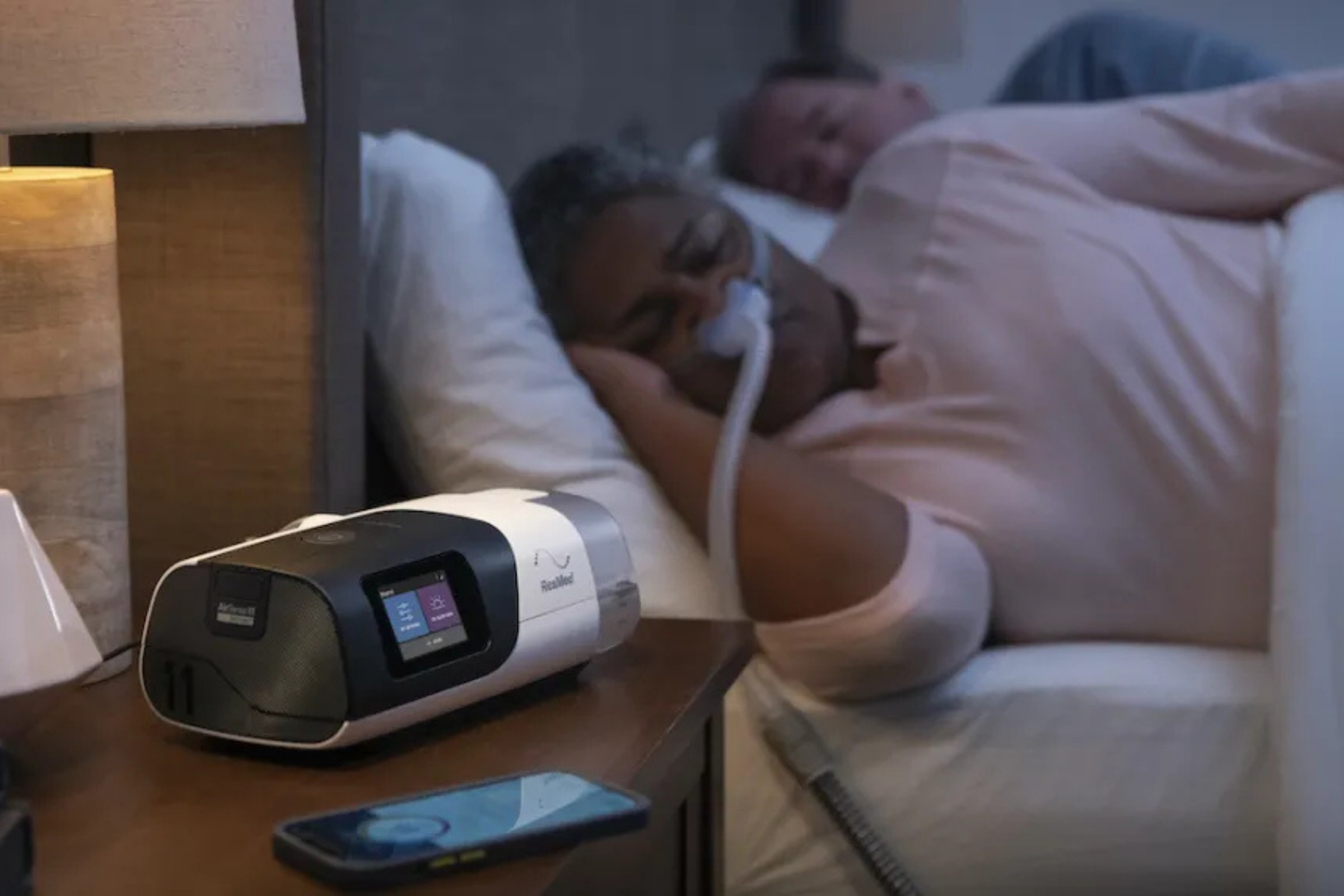
CPAP therapy uses prescribed air pressure to help keep your upper airway open during sleep. MedPro can support your equipment setup, mask fit, education, and ongoing therapy.
CPAP Therapy Overview
CPAP Therapy at a Glance
Four essentials to understand as you begin or continue CPAP therapy.
Prescribed Air Pressure
A CPAP device delivers continuous air pressure according to prescribed therapy settings.
Mask and Tubing
A mask and connected tubing deliver airflow from the device to your upper airway.
Airway Support
Positive pressure helps reduce repeated upper-airway collapse during sleep.
Education and Follow-Up
Equipment education, mask fitting, and follow-up can support comfortable, consistent use.
Understand the Treatment
What Is CPAP Therapy?
Continuous positive airway pressure, or CPAP, is a treatment commonly prescribed for obstructive sleep apnea. A CPAP machine sends a steady stream of pressurized room air through a mask to help keep the airway open during sleep.
How CPAP Works
Obstructive sleep apnea occurs when tissues in the upper airway repeatedly narrow or close during sleep. CPAP pressure acts as a gentle air splint that helps prevent this collapse.
The prescribed pressure, device settings, and mask style should be based on your diagnosis, treatment plan, and equipment instructions.
Who May Be Prescribed CPAP?
People diagnosed with obstructive sleep apnea
People whose clinician recommends positive airway pressure therapy
People who need prescribed equipment, mask fitting, education, and follow-up support
Why CPAP Matters
Potential Benefits of CPAP Therapy
Benefits vary by person and depend on using therapy as prescribed.
More Consistent Breathing
CPAP helps prevent repeated upper-airway collapse and breathing interruptions during sleep.
Less Daytime Sleepiness
Effective CPAP use may reduce excessive daytime sleepiness associated with obstructive sleep apnea.
Better Sleep-Related Quality of Life
For some people, treating obstructive sleep apnea can improve sleep-related symptoms and daily functioning.
Your CPAP Path
Getting Started with CPAP
The exact process varies by prescription, location, and coverage. These four stages provide a general overview of how people commonly begin CPAP therapy.
1
Confirm Your Treatment Plan
CPAP should be based on appropriate sleep apnea testing, diagnosis, and direction from your prescribing clinician.
2
Connect with MedPro
A local MedPro team can explain the information needed and the next steps for obtaining prescribed equipment.
3
Complete Setup and Mask Fitting
Review your equipment, work toward a secure mask fit, and learn the basics of operating and caring for the system.
4
Use CPAP and Ask for Support
Use your equipment as directed and ask for help early if comfort, fit, or equipment concerns interfere with regular use.
Quick answer: Starting CPAP commonly includes confirming your prescription, selecting prescribed equipment, fitting your mask, learning basic operation and care, and understanding how to access follow-up support.
Know Your Equipment
What Does a CPAP System Include?
Models and features differ, but most systems use the same core components to deliver prescribed airflow during sleep.
CPAP Device
The device filters room air and provides the pressure specified for your therapy.
Mask and Headgear
The mask delivers airflow through the nose, mouth, or both and should feel secure without unnecessary tightness.
Tubing
The tube carries airflow from the device to your mask. Some systems use heated tubing to help manage moisture.
Humidification and Filter
A humidifier may add moisture to the airflow, while the filter helps keep dust and particles out of the device.
Comfort and Fit
A Comfortable Mask Fit Matters
A mask that fits securely can help reduce leaks, pressure points, and unnecessary discomfort. The best style depends on your face, breathing pattern, sleeping position, and prescription.
Review nasal, nasal-pillow, and full-face mask options when appropriate
Check fit while lying in your usual sleeping position
Avoid overtightening headgear to compensate for persistent leaks
Ask for support if leaks, irritation, or pressure points continue
CPAP Support Topics
Support for Every Stage of CPAP Therapy
Choose the topic that best matches where you are in therapy or the question you need answered.
Getting Started
Understand prescriptions, setup, fitting, and the first steps in therapy.
CPAP Mask Fitting
Explore mask styles, fit, seal, and common comfort considerations.
Follow-Up Support
Get help with comfort, equipment questions, and ongoing CPAP use.
Troubleshooting
Find practical next steps for common mask and equipment concerns.
Cleaning & Maintenance
Review routine care for your mask, tubing, humidifier, filter, and device.
Replacement Schedule
Learn what may influence when CPAP components are replaced.
Travelling with CPAP
Plan for power, packing, documentation, and equipment care away from home.
BiPAP / Bilevel Therapy
Learn how bilevel therapy differs from standard CPAP treatment.
Related Guidance
More Sleep and Respiratory Resources
Explore connected information about treatment decisions, coverage, and respiratory care.
Sleep Apnea Treatment Options
Review the treatment approaches a clinician may discuss after diagnosis.
Insurance & Funding
Learn what information may help when asking about coverage or funding.
Sleep & Respiratory Resources
Browse educational guides across sleep, oxygen, and respiratory care.
Frequently Asked Questions
CPAP Therapy FAQs
General answers about CPAP treatment, equipment, prescriptions, and support.
What does CPAP stand for?
CPAP stands for continuous positive airway pressure. A CPAP system delivers a steady flow of pressurized air through a mask while you sleep.
How does CPAP therapy work?
CPAP provides continuous positive pressure that helps keep the upper airway open during sleep. This can reduce the airway collapse and breathing interruptions associated with obstructive sleep apnea.
Do I need a prescription before starting CPAP?
CPAP therapy should be based on a sleep apnea diagnosis and treatment plan from a qualified clinician. Prescription, referral, documentation, and coverage requirements can vary. A MedPro clinic can explain what information is needed for equipment setup.
What equipment is included in a CPAP system?
A typical CPAP system includes a device, mask and headgear, tubing, and air filter. Many systems also include integrated or optional humidification. Components vary by prescription and equipment model.
How often should CPAP be used?
Use CPAP according to your prescription and care team’s instructions, generally whenever you sleep, including naps. If regular use is difficult, ask for support rather than changing clinical settings on your own.
What should I do if CPAP is uncomfortable?
Contact MedPro if leaks, pressure points, dryness, irritation, or equipment questions make CPAP hard to use. Fit adjustments, equipment education, or other practical support may help. Do not change prescribed pressure or clinical settings unless your clinician or authorized care provider directs you to do so.
Evidence and Safety
Clinical Sources
This page draws on Canadian and international guidance about CPAP treatment, equipment, education, and follow-up.
Medical disclaimer: This page provides general educational information and is not a diagnosis or a substitute for advice from your healthcare professional. Follow your prescription and equipment instructions. Do not change prescribed pressure settings without direction from an authorized care provider.
CPAP Therapy
Ready to Get Started with CPAP?
Learn what to expect as you begin therapy, or find a MedPro clinic for equipment and support.