
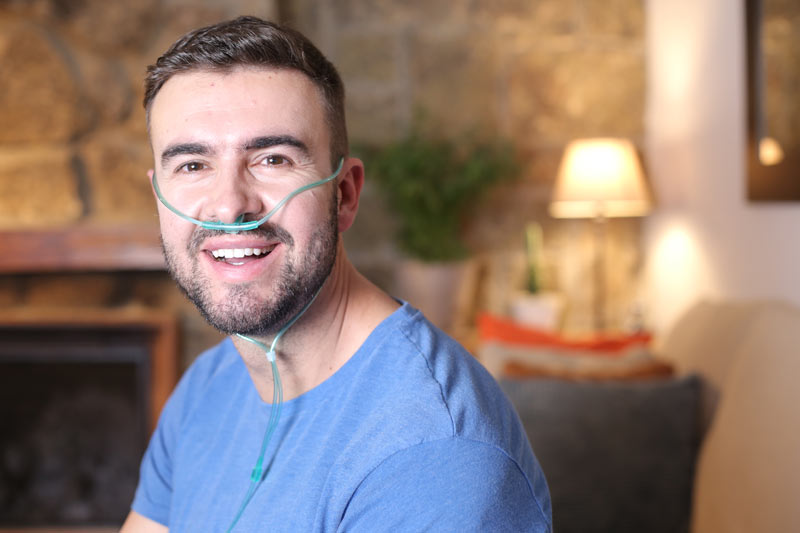
Prescribed Oxygen Support
Home Oxygen Therapy
Understand how prescribed oxygen therapy works, the equipment that may be used, and the support available for safe use at home and away.
Understanding the Therapy
What Is Home Oxygen Therapy?
Home oxygen therapy is a prescribed medical treatment that provides supplemental oxygen through specialized equipment. The prescription identifies how, when and at what setting oxygen should be used.
Medically Prescribed
The need for oxygen is determined through clinical assessment and appropriate oxygen measurements—not breathlessness alone.
Individualized
The prescribed setting, schedule, delivery method and equipment are selected for the assessed oxygen needs.
Used at Prescribed Times
Oxygen may be prescribed at rest, during activity, while sleeping or for longer periods depending on the care plan.
Safe Use Matters
Equipment education, fire precautions, safe placement and following the prescribed setting are essential.
Quick answer: Oxygen therapy is not the same as CPAP or mechanical ventilation. It should not be started, stopped or adjusted without direction from the appropriate healthcare professional.
Assessment Comes First
When Might Home Oxygen Be Considered?
A healthcare provider may assess for supplemental oxygen when a health condition or recovery affects blood oxygen. The need is determined through clinical assessment and appropriate measurements.
At Rest
Measurements may be reviewed while a person is sitting quietly or completing low-effort activities.
During Activity
Walking or exertion testing may be used when oxygen needs could change during physical activity.
While Sleeping
Overnight assessment may be used when a healthcare provider needs to understand oxygen levels during sleep.
Shorter or Longer Periods
Oxygen may be prescribed temporarily or for longer-term use depending on the underlying reason and reassessment.
A diagnosis, symptom or home oximeter reading alone does not automatically determine eligibility for oxygen therapy or funding. Clinical and program requirements apply.
Getting Started
A General Home Oxygen Pathway
The exact process varies by province, prescription, program and coverage. These four stages provide a general overview.
1
Clinical Assessment
A healthcare professional reviews the health situation and uses appropriate measurements to assess oxygen needs.
2
Prescription & Documentation
The authorized provider documents how oxygen should be used. A funding pathway may require additional forms or approval.
3
Equipment Matching & Setup
Suitable stationary, portable or backup equipment is coordinated according to the prescription and service pathway.
4
Education & Follow-Up
Learn operation, safety, supplies and whom to contact. Reassessment follows the care plan and applicable program.
Use oxygen only at the prescribed setting and schedule. Do not change the flow, stop therapy or substitute equipment without appropriate clinical direction.
Equipment Overview
Home and Portable Oxygen Equipment
A prescribed oxygen setup may include a primary home system, equipment for mobility, backup oxygen and compatible accessories.
Stationary Oxygen Concentrators
Electrically powered systems that draw in room air and concentrate oxygen. They are primarily designed for use inside the home.
Portable Oxygen Equipment
Portable concentrators and compatible portable systems can support mobility when their delivery capability matches the prescription.
Cylinders & Accessories
Compressed oxygen cylinders, regulators, conserving devices, cannulas, tubing and power or mobility accessories may form part of a setup.
Explore home and portable oxygen equipment
Important: The smallest or lightest device is not automatically suitable. Oxygen-delivery capability must match the prescribed therapy and intended use.
Daily Life With Oxygen
Safety and Travel Planning
Safe equipment use is essential at home, and travel requires advance coordination with the care team, equipment provider and transportation company.
Home Oxygen Safety
- No smoking or vaping while oxygen is in use or nearby
- Keep oxygen away from flames, sparks, heat and flammable products
- Secure cylinders and protect tubing and cords from damage or trips
- Follow the exact equipment, electrical and storage instructions provided
Travelling With Oxygen
- Discuss the trip and oxygen needs well in advance
- Check airline, cruise, rail or bus rules before booking
- Confirm oxygen supply, battery duration, charging and backup plans
- Carry required prescriptions, forms and equipment information
For severe breathing difficulty, chest pain, blue or grey lips or face, confusion, or another medical emergency, call 911 or your local emergency service.
Coverage Information
Understanding Oxygen Funding and Coverage
Funding may be available through provincial programs, private insurance or other payers. Eligibility, approved services and patient costs vary.
Provincial Programs
Programs may require medical eligibility, an approved assessment, documentation and use of an authorized oxygen provider.
Private Insurance
A plan may have its own eligibility, authorization, supplier, reimbursement and documentation requirements.
Documentation & Authorization
A prescription and a payer’s approval are separate requirements. Confirm the process before arranging a purchase or rental.
Confirm the applicable program or insurer process before purchasing equipment. Prior authorization and approved-vendor rules may apply.
MedPro Support
Support for Prescribed Oxygen Therapy
MedPro locations can help explain the equipment and support pathways available for an authorized prescription in their region.
Equipment Coordination
Coordinate suitable equipment according to the prescription, regional pathway and available services.
Setup & Education
Review basic operation, compatible accessories, safe placement, routine care and the support contact process.
Equipment Questions
Help identify the appropriate contact for equipment operation, supplies, servicing or troubleshooting concerns.
Local Support Pathway
Connect with the MedPro team serving the area to understand locally available oxygen services and next steps.
Services, equipment and availability vary by clinic, region, prescription and program.
Continue Learning
Related Home Oxygen Guidance
Use these focused guides for equipment details, essential safety information and advance travel planning.
Oxygen Equipment
Compare stationary and portable systems, delivery methods, components and selection considerations.
Oxygen Safety
Review fire prevention, equipment placement, electrical precautions, cylinder storage and emergency planning.
Travelling With Oxygen
Plan for transportation rules, documentation, equipment approval, oxygen supply, batteries and backup needs.
Frequently Asked Questions
Home Oxygen Therapy FAQs
General answers about prescriptions, equipment, settings, funding and travel.
Do I need a prescription for home oxygen?
Yes. Supplemental oxygen is a medical treatment that should be based on appropriate assessment and an authorized prescription identifying how it is to be used.
Is home oxygen therapy the same as CPAP?
No. Oxygen therapy supplies additional oxygen. CPAP provides positive airway pressure to help keep the upper airway open during sleep. They have different purposes and prescriptions.
Can I increase the oxygen setting if I feel short of breath?
Do not change the prescribed setting unless directed by the appropriate healthcare professional. Contact the care team when symptoms or oxygen needs appear to change; seek emergency help for severe symptoms.
What types of home oxygen equipment are available?
A setup may include a stationary concentrator, portable concentrator, oxygen cylinder, regulator or conserving device, cannula, tubing and other compatible accessories. The correct system depends on the prescription and practical requirements.
Is home oxygen therapy funded or covered?
Coverage may be available through a provincial program, private insurance or another payer. Eligibility, authorization, approved suppliers and patient costs vary, so confirm the requirements before arranging equipment.
Can I travel while using oxygen?
Travel may be possible with advance planning. Discuss the trip with the care team, confirm that the equipment matches the travel needs and follow every transportation provider’s documentation and equipment rules.
Evidence and Safety
Clinical and Program Sources
This page draws on Canadian patient guidance, provincial program information and a clinical practice guideline on home oxygen therapy.
Medical disclaimer: This page provides general educational information and is not a prescription, diagnosis or substitute for advice from a qualified healthcare professional. Follow the oxygen prescription and equipment instructions provided for you. Do not change the oxygen setting without authorized clinical direction.
Home Oxygen Support
Need Help With Home Oxygen Therapy?
Find a MedPro clinic to ask about prescribed oxygen equipment, setup education and the support available in your area.