
About MedPro
About MedPro Respiratory Care
Helping people sleep better, breathe better and live better through respiratory care, practical education, dependable equipment and ongoing support.
Serving communities across British Columbia, Alberta and Ontario.
✓ Sleep, oxygen and respiratory-care support
✓ Healthcare and service teams across multiple regions
✓ Practical education and ongoing equipment support
Sleep, Oxygen & Respiratory Care
Support across major areas of respiratory home care.
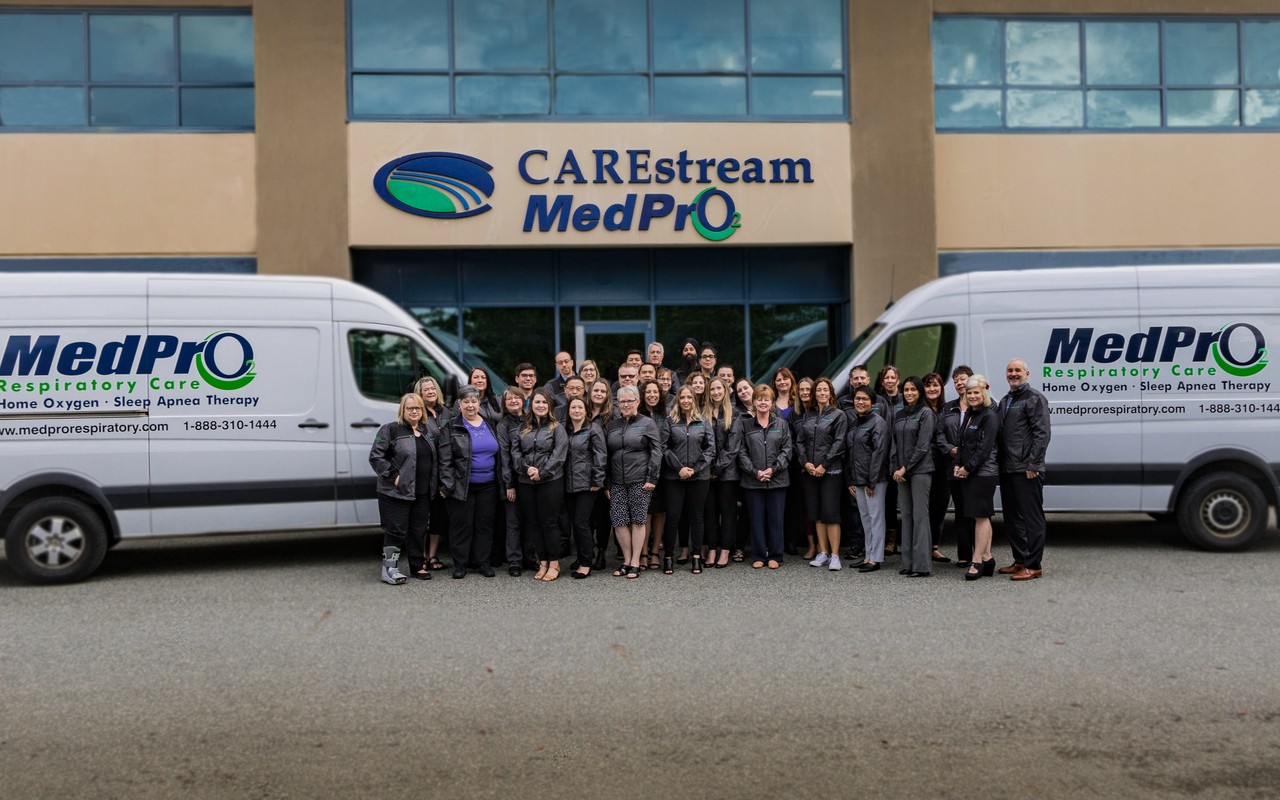
Healthcare & Support Teams
Clinical, service, administrative and operational professionals working together.
Three-Province Presence
Serving communities across British Columbia, Alberta and Ontario.
25+ Years of Respiratory Care
A long-standing focus on respiratory home care and local service.
Who We Are
Respiratory Care Built Around People
MedPro Respiratory Care is a Canadian respiratory home-care organization supporting people across sleep therapy, home oxygen and respiratory care. Our teams help connect people with relevant equipment, practical education and ongoing service support.
We believe people should understand the equipment and routines that support their care. That means explaining practical next steps, encouraging questions and helping people know where to turn when they need support.
Our role is not only to provide equipment. It is to help people understand their care, use their equipment confidently and access support when they need it.
Our Story
More Than 25 Years of Respiratory Care
MedPro began in British Columbia and has grown to support communities across Alberta and Ontario while remaining focused on respiratory home care.
01
Our Beginnings
MedPro developed around respiratory home-care services in British Columbia, helping people access equipment and support in their communities.
02
Regional Growth
The organization expanded into Alberta and Ontario, building clinic and service teams across additional communities.
03
MedPro Today
MedPro supports sleep therapy, home oxygen and respiratory-care needs through local clinics, regional programs, education and ongoing equipment support.
Why MedPro
Support Designed Around Individual Needs
Our approach combines professional knowledge, practical education and continued local support.
Personalized Support
Education and equipment support should reflect the person’s prescription, circumstances, goals and everyday routine.
Experienced Teams
Respiratory therapists, sleep clinicians, clinical assistants and supporting professionals contribute to care and service.
Practical Education
Clear guidance helps people understand equipment use, routine care, safety considerations and next steps.
Ongoing Local Support
Support can continue after setup through clinic teams, follow-up services, supplies and equipment troubleshooting.
Available services, staffing, equipment and appointment options may vary by clinic and region.
Our Areas of Care
Sleep, Oxygen and Respiratory Support
MedPro provides education, equipment and service support across several major areas of respiratory care.
Sleep & CPAP Therapy
- Sleep apnea education and testing
- CPAP and bilevel therapy
- Mask and equipment support
- CPAP resources and follow-up
Home Oxygen Therapy
- Home oxygen therapy information
- Stationary and portable equipment
- Safety and travel guidance
- Equipment and service support
Respiratory Care
- Aerosol therapy and nebulizers
- Suction therapy
- Tracheostomy supplies
- Pulse oximetry and related equipment
Services, eligibility, referral requirements and equipment availability may differ by province and location.
Our People
Healthcare and Service Teams Working Together
MedPro’s teams may include registered respiratory therapists, sleep clinicians, clinical assistants, oxygen-service teams, equipment technicians, delivery teams and customer-support professionals.
Clinical and non-clinical teams contribute different expertise while sharing a focus on clear communication, respectful service and practical support.
Working Across the Care Experience
- Patient education and equipment support
- Coordination with healthcare teams
- Local clinic and service support
- Delivery, operations and customer service

Accreditation Canada
An External Quality Framework
Accreditation supports structured evaluation, accountability and continued improvement across healthcare organizations.
Accreditation and Quality
A Continued Commitment to Safe, High-Quality Care
MedPro participates in Accreditation Canada’s external accreditation process, designed to assess and strengthen healthcare quality, safety and organizational practices.
Accreditation provides a framework for evaluating policies, service processes, accountability and people-centred care. It also supports ongoing review and improvement rather than treating quality as a one-time achievement.
Our Communities
Respiratory Support Across Three Provinces
MedPro combines local clinic access with regional service and support teams.
British Columbia
MedPro serves communities across British Columbia through clinic, home oxygen and respiratory-service teams.
Alberta
MedPro supports communities in Alberta through sleep, oxygen and respiratory-care services.
Ontario
MedPro provides respiratory-care support in Ontario through participating locations and service teams.
Careers at MedPro
Build Your Career in Respiratory Care
Clinical and non-clinical employees contribute to MedPro’s work across respiratory care, sleep services, oxygen programs, operations, delivery, administration and customer support.
Interested in Working at MedPro?
Learn about working at MedPro, view current opportunities and find application information.
Common Questions
About MedPro FAQ
Find quick answers about MedPro, its areas of care and where to connect with a local team.
What does MedPro Respiratory Care do?
MedPro provides respiratory home-care support across sleep and CPAP therapy, home oxygen and additional respiratory-care needs. Available services and equipment vary by location and region.
Where does MedPro operate?
MedPro serves communities in British Columbia, Alberta and Ontario. Visit the Locations page to view current clinics and contact information.
How do I find the right MedPro location?
Visit the MedPro Locations page and choose the clinic or service location nearest you. Contact the location directly to confirm service availability, hours and appointment requirements.
How can I contact MedPro?
You can contact a local MedPro location through the Locations page or call 1-888-310-1444 for assistance.
Find MedPro Near You
Connect With a MedPro Location
Explore MedPro locations across British Columbia, Alberta and Ontario and connect with the team nearest you.